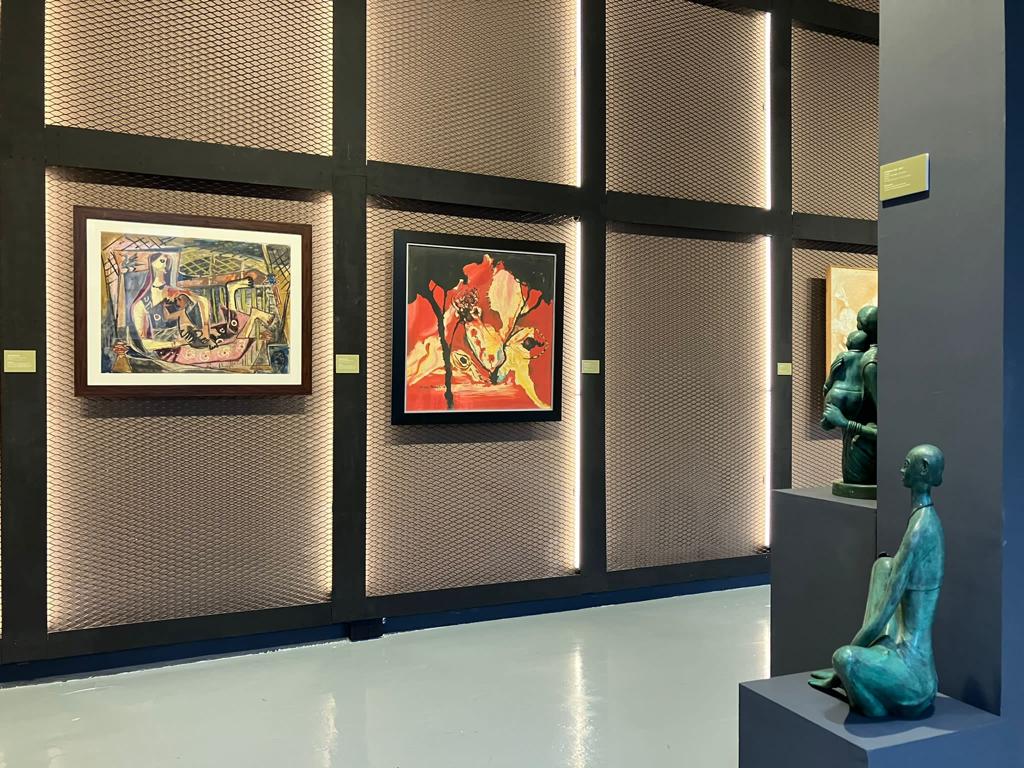
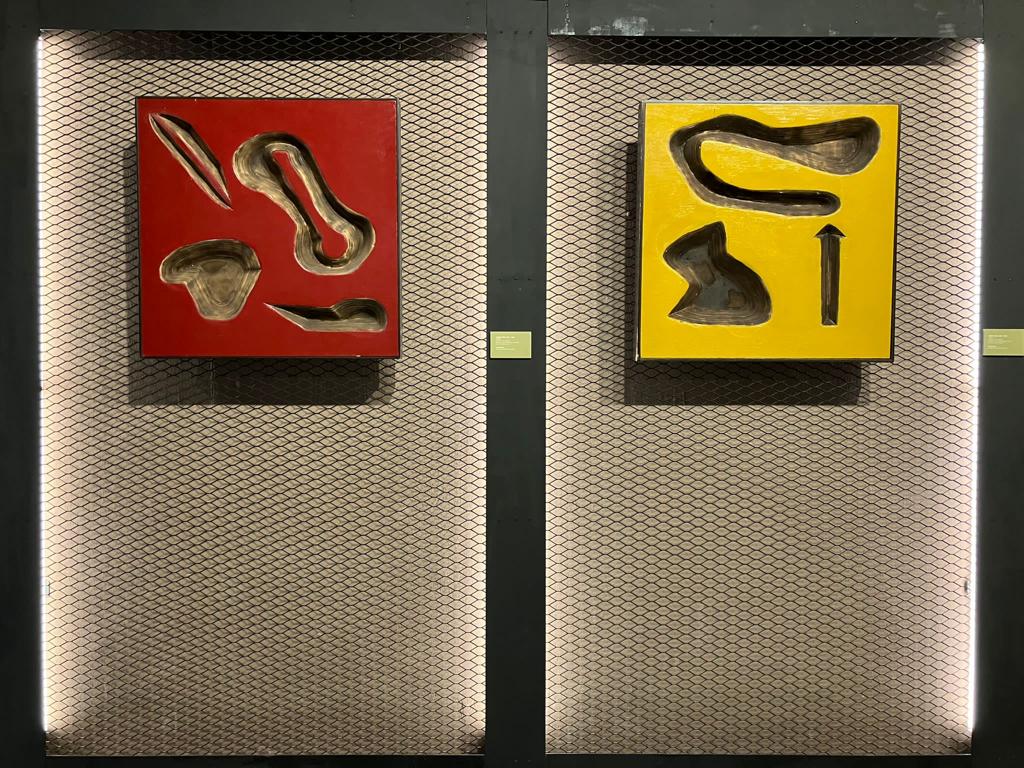
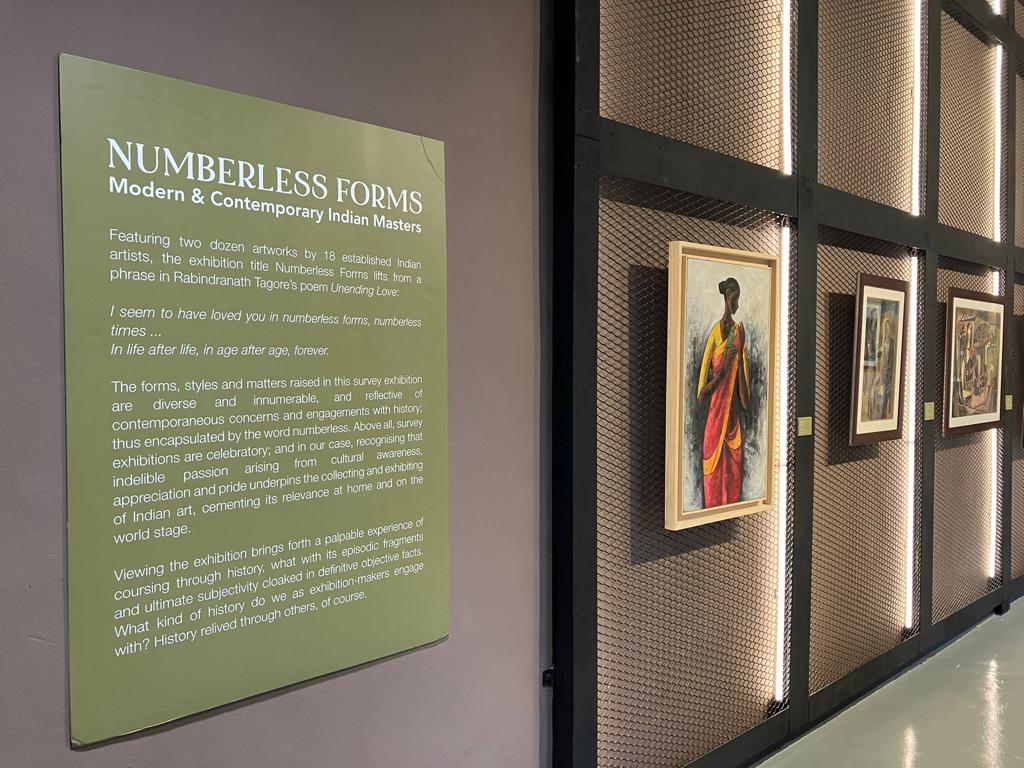
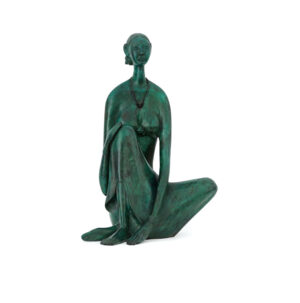
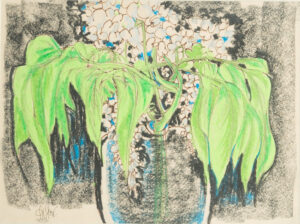
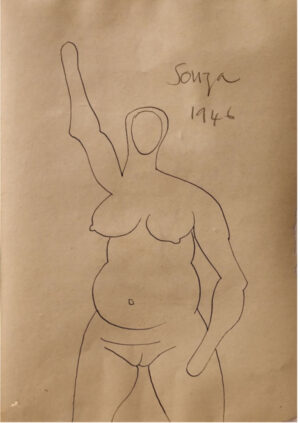
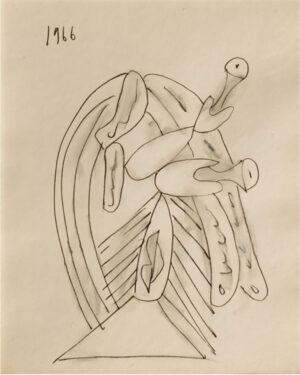
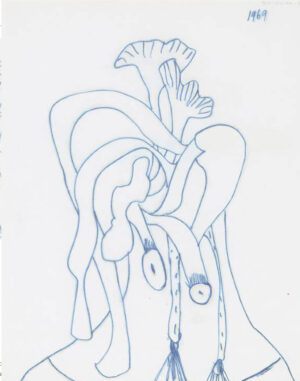
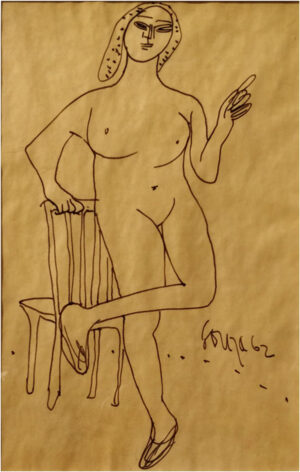
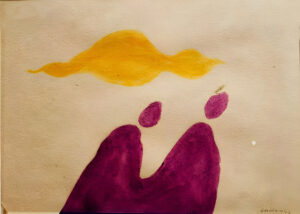
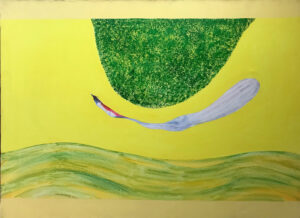
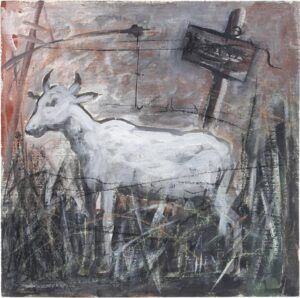
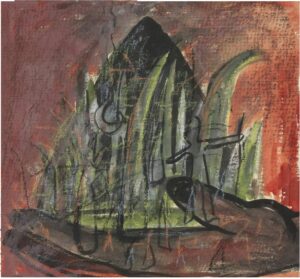
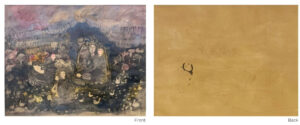
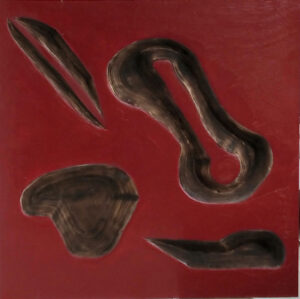
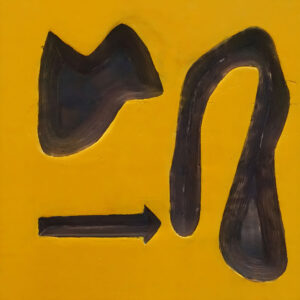
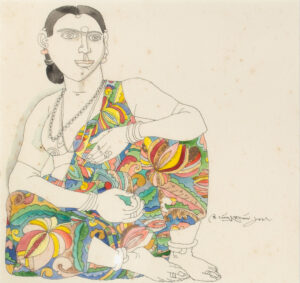
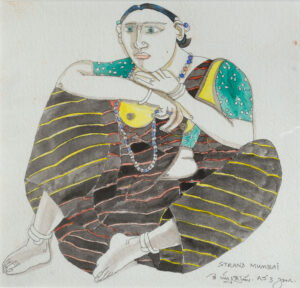
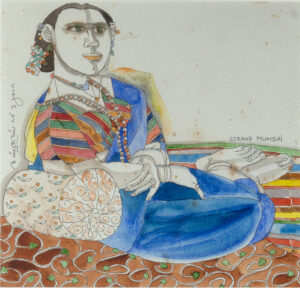
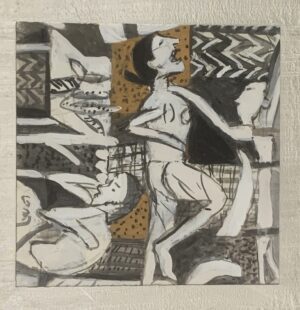
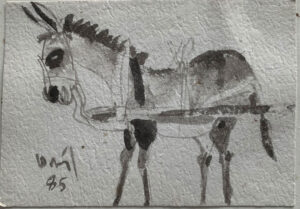
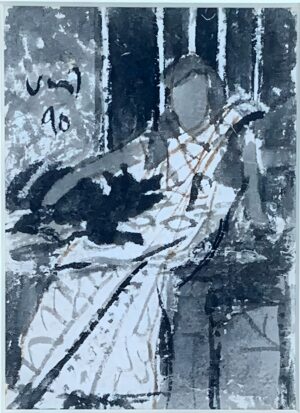
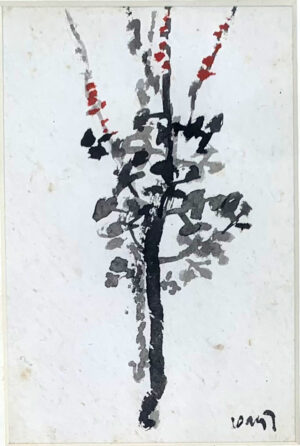
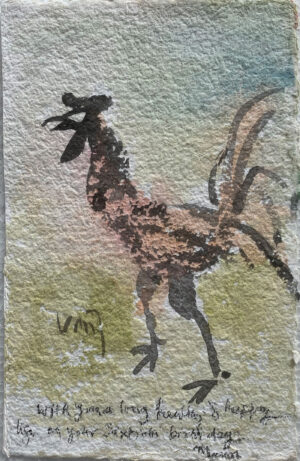
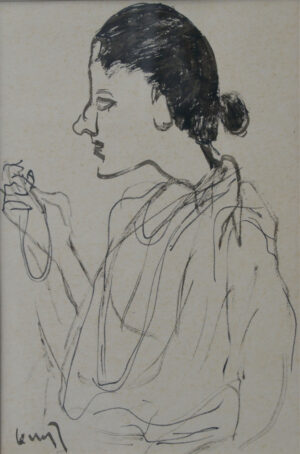
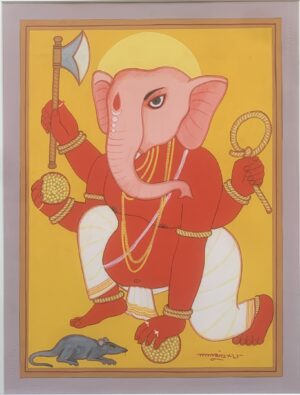
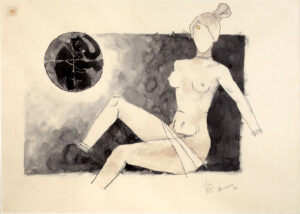
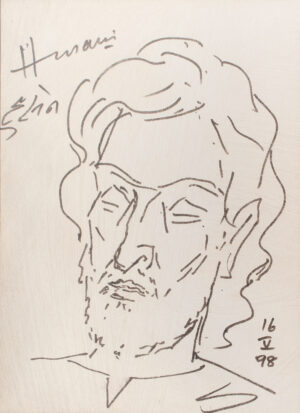
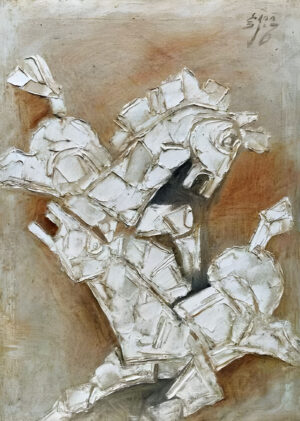
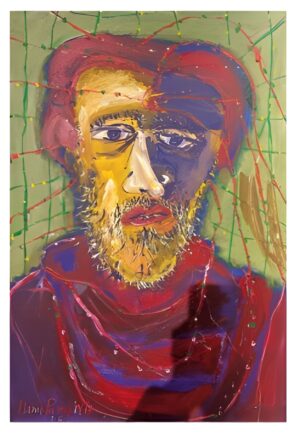
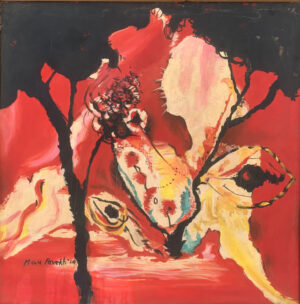
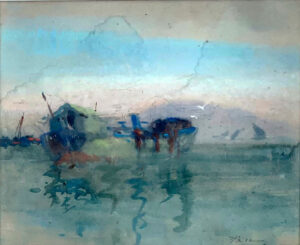
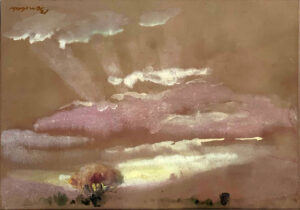
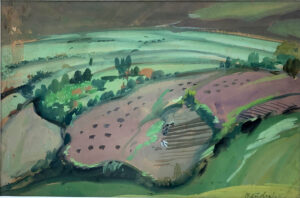
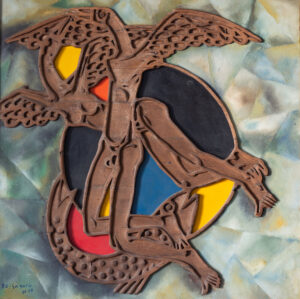
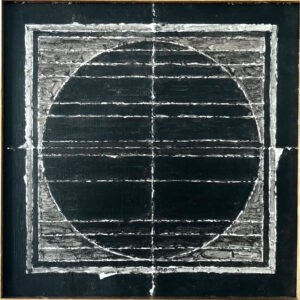
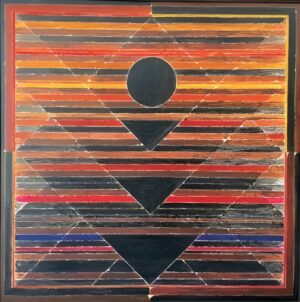
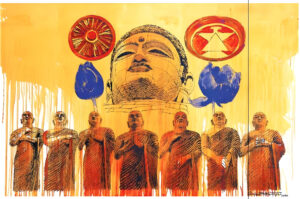
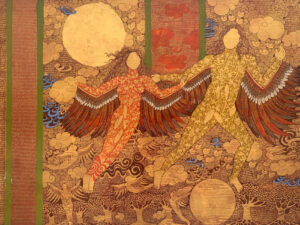
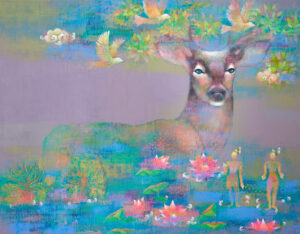
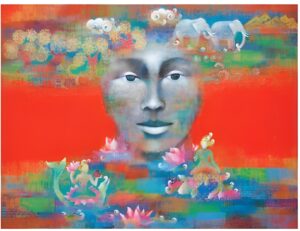
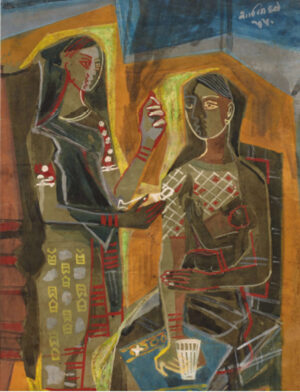
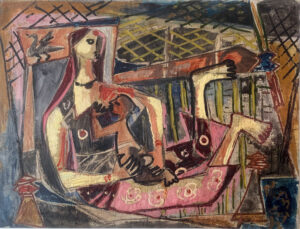
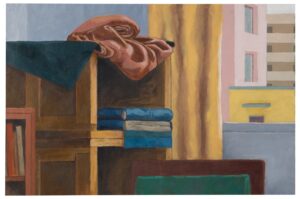
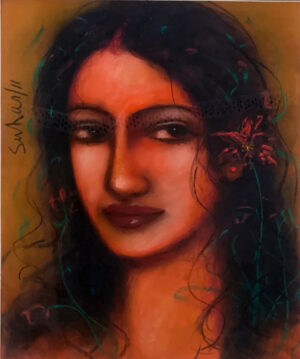
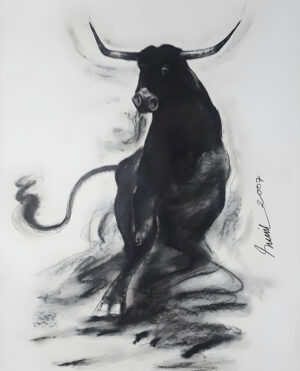
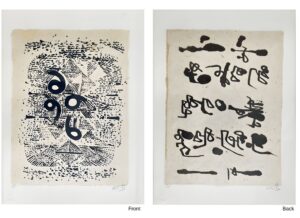
This exhibition features two dozen artworks by 18 established Indian artists, including artists central in Indian art history such as N.S. Bendre, M.F. Husain, S.H. Raza and F.N. Souza.
Its title, Numberless Forms, lifts from a phrase in Rabindranath Tagore’s poem Unending Love: I seem to have loved you in numberless forms, numberless times… In life after life, in age after age, forever. The forms, styles and matters raised in such a survey exhibition are rather diverse and innumerable, and reflective of contemporaneous concerns and engagements with history; thus, encapsulated by the word numberless. For me, crafting the exhibition alongside fellow gallerist Saurabh Singhvi is a palpable experience of coursing through history, what with its episodic fragments and ultimate subjectivity cloaked in definitive objective facts.
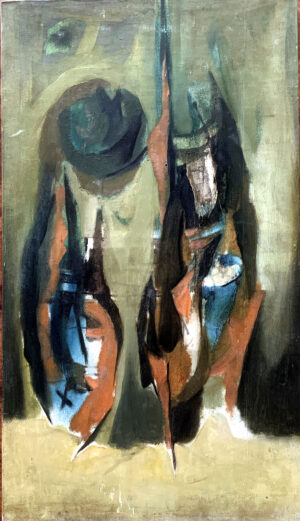
What kind of history do we, as exhibition-makers, engage with? History relived through others, of course. Modernist artists int the exhibition like F.N. Souza and Shanti Dave have spent lifetimes struggling with the contradictions of modernity. They engaged in nationalist struggles, whilst acknowledging deeper within themselves the colonial legacies that have brought about modernity and their own bourgeoisie and privileged positions to allow them to comment on modernity through their works. Mythic narratives are central to the constitution of 20th century Indian art. In the phallic horses and heroic warriors of M.F. Husain, idioms from the epics and folklore bring about a powerful and mythic conception of the Indian soul.
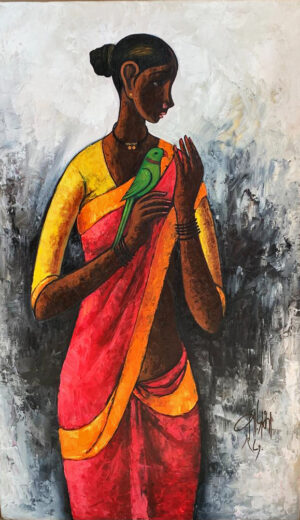
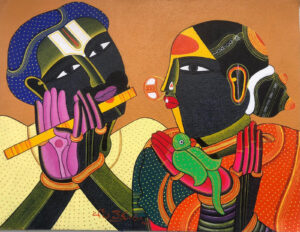
The same is true for Sunil Das and T. Vaikuntam in whose works we see the local approached and apprehended through the purity of line and the non-naturalistic and poetic expressiveness of colour. I have a suspicion – a natural, healthy one no less – that I will look back at this exhibition a few months or years on through markedly different lens.
Ultimately, such a survey exhibition stands as one in a succession of surveys, particularly where Indian art exhibited abroad is concerned. For gallerists, exhibition makers and curators, it is always useful to be aware that our creative efforts are built upon those of others who have come before us, and serve as reference for those after us. Above all, survey exhibitions as such are celebratory; and in our case, recognising that indelible passion arising from cultural awareness, appreciation and pride underpins the collecting and exhibiting of Indian art (and for that matter, art from other specific geographies as well), cementing its relevance at home and on the world stage.