The Mahabharat never ceases to astonish me. There is a popular Bengali adage, Ja nei Mahabharatey, ta nei Bharatey’, which approximately translates as, ‘There’s nothing in Bharat, that’s not there in The Mahabharat’. I grew up listening to tales from the epic related by family elders. In my youth, books and television productions on the subject fed my curiosity. Fascinated, I sought to delve into the nuances of the tome.
As my interest deepened, I started seeing myself in different characters at different times. I found events and characters depicted on that colossal stage cropping up in the small world around me. The Mahabharat’s relevance in the 21st century is tangible, unchallenged. I started collecting vintage wood engravings. The detailed chronicles depicted in the 19th century engravings injected fluid life into scenes from The Mahabharat. Soon I was compulsively looking into varied interpretations, analyses of the epic and its characters.
My fresh insights underscored my early, instinctive awareness that this epochal work has always showed the way. Somewhere between those conversations and discourses, critiques and versions. I zeroed in on the idea of this exhibition. Indian art is rich with depictions of The Mahabharat. We see a stunning variety of interpretations, from the descriptive sculptures of antiquity and the gloriously detailed miniatures, down to more contemporary readings. Artists like Raja Ravi Verma, Bamapada Banerjee, Gaganendranath Tagore and Nandalal Bose have portrayed it in their unique styles. Folk art has generously borrowed from it.
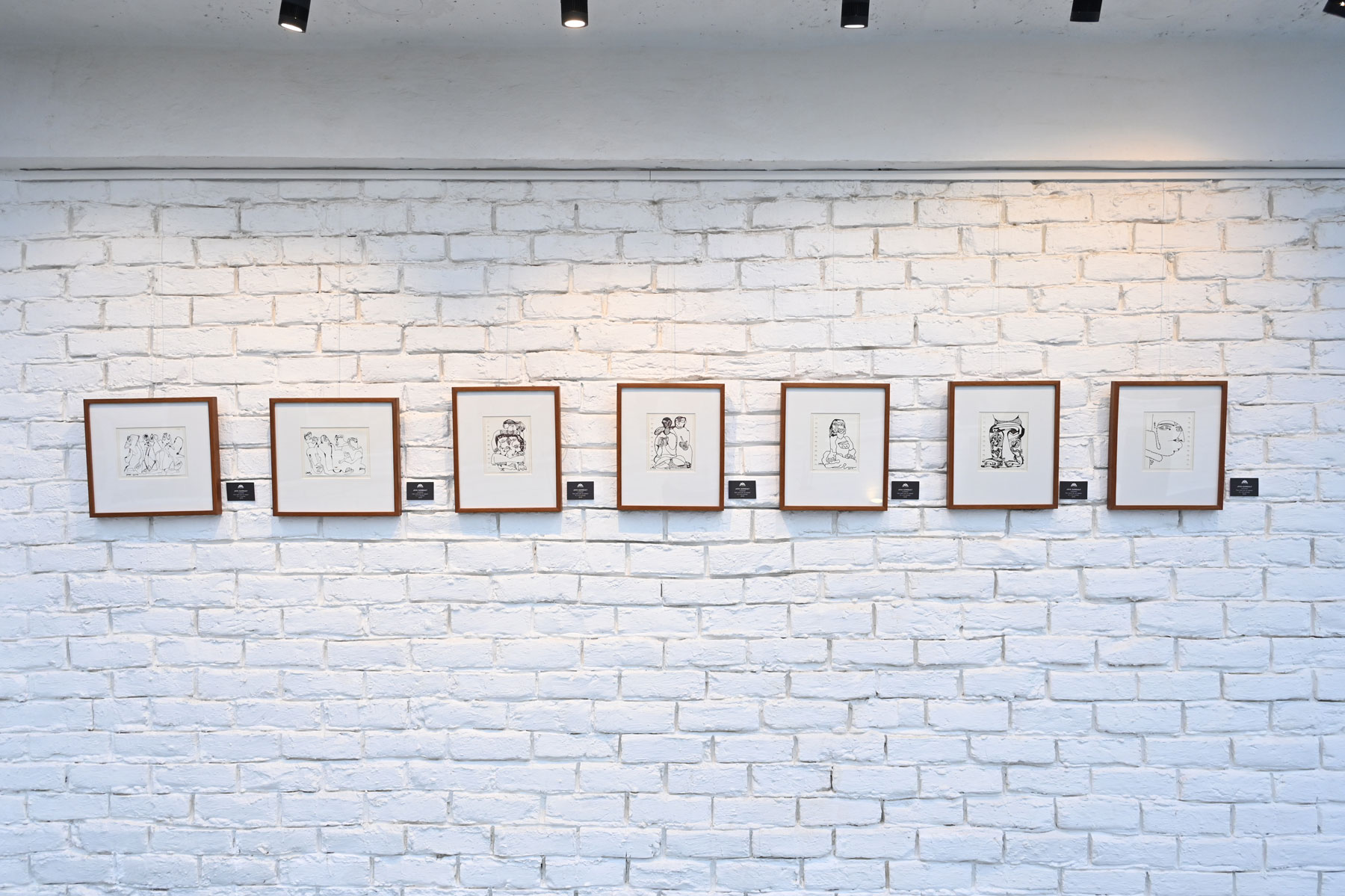
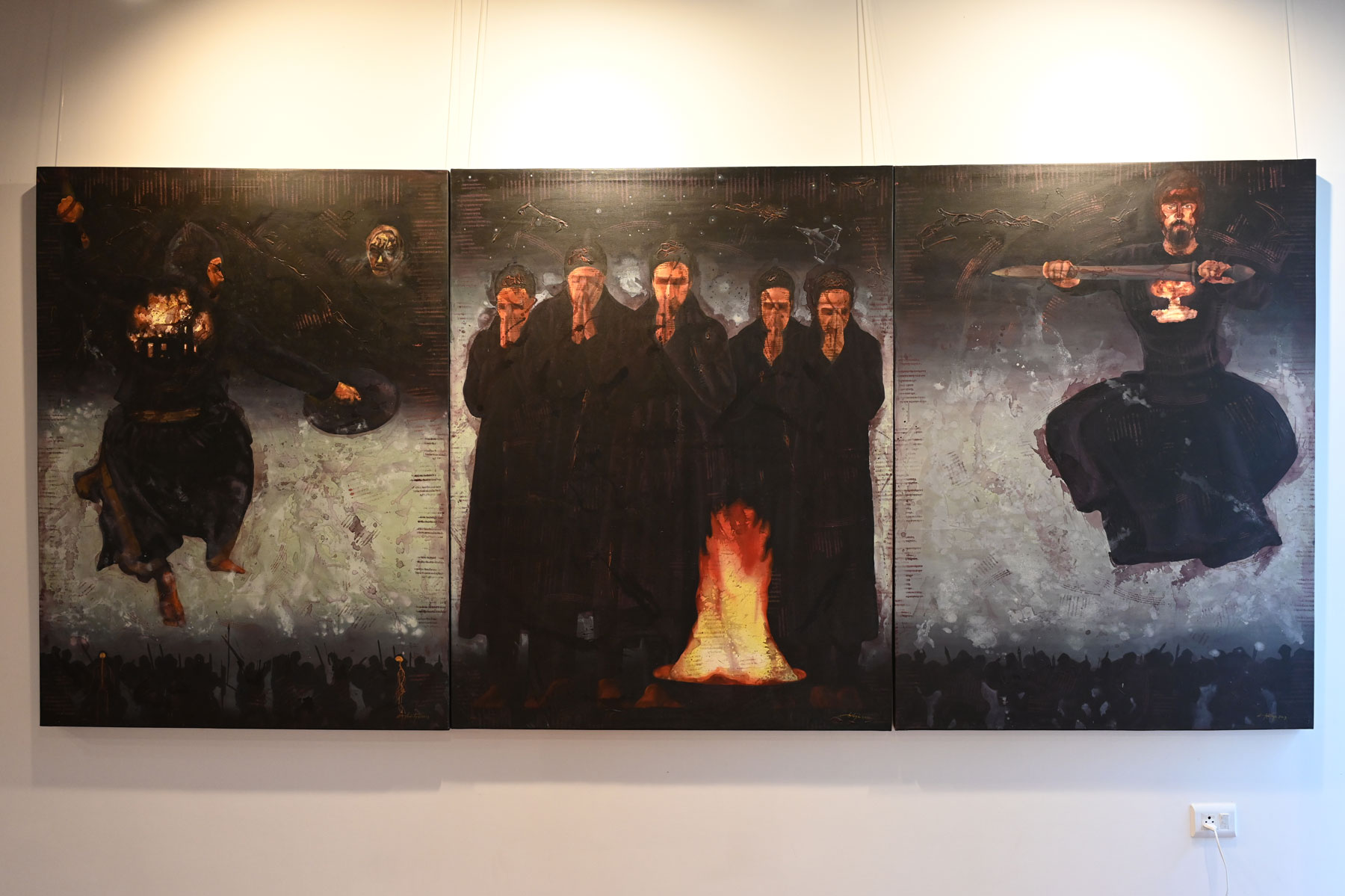
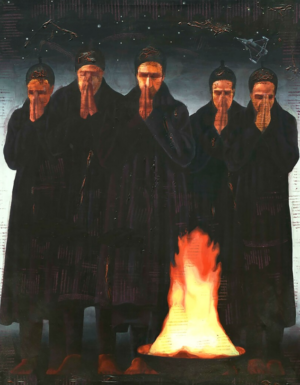
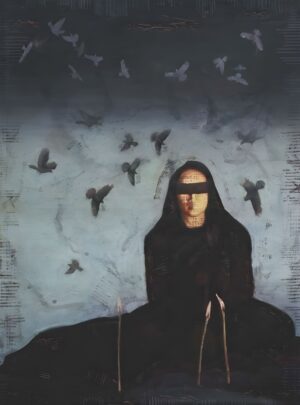
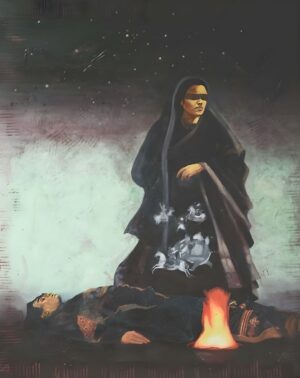
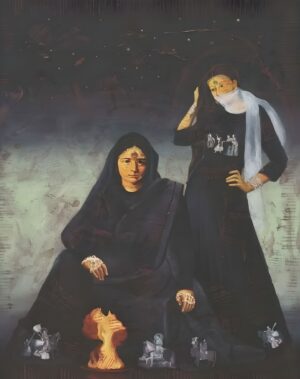
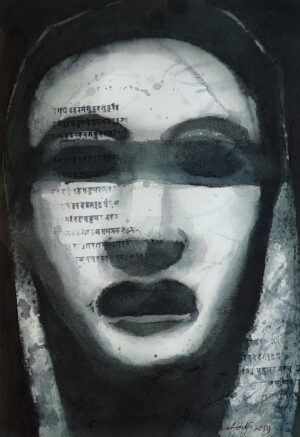
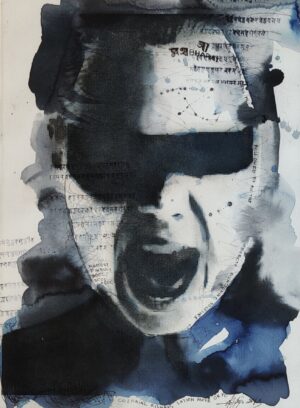
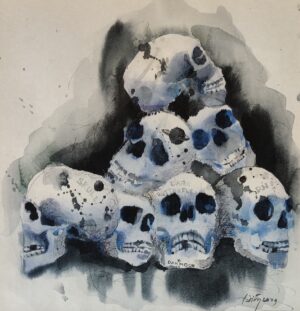
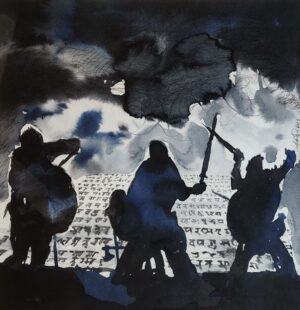
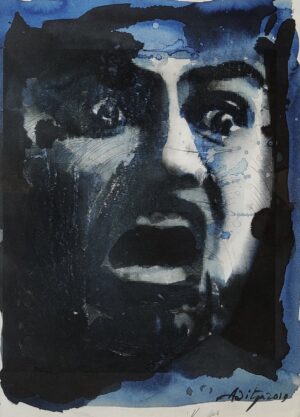
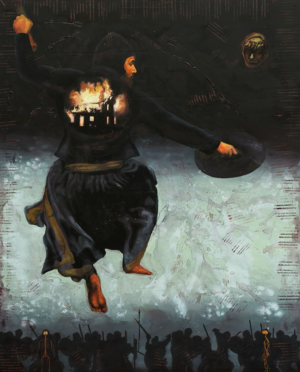
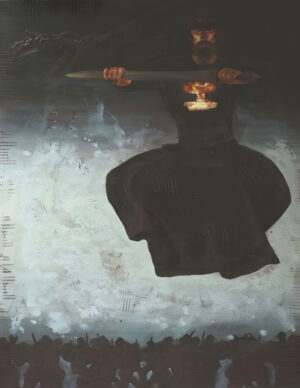
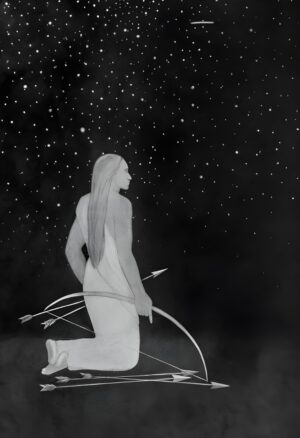
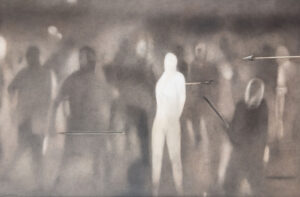
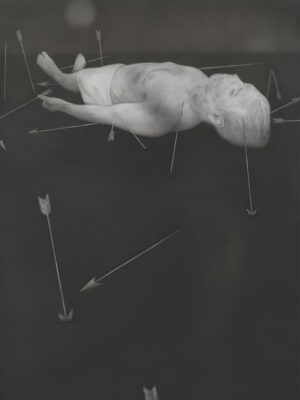
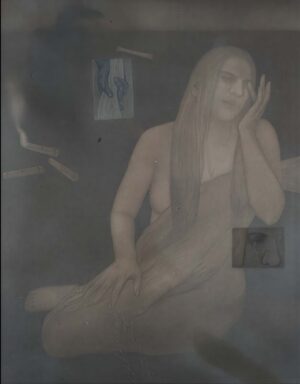
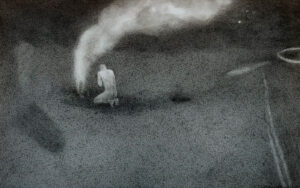
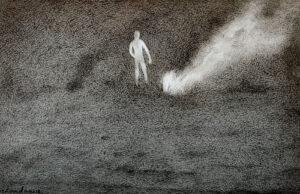
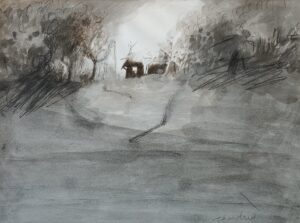
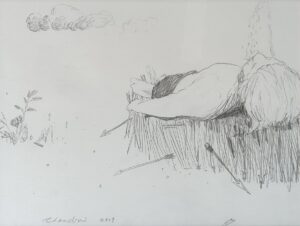
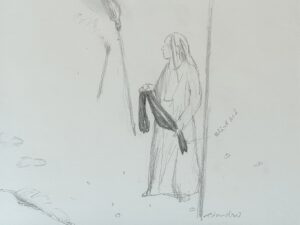
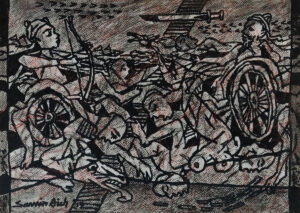
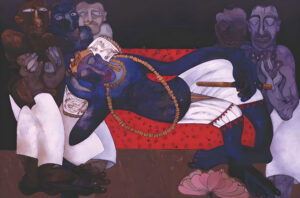
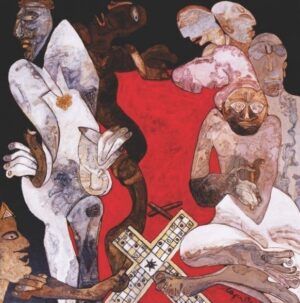
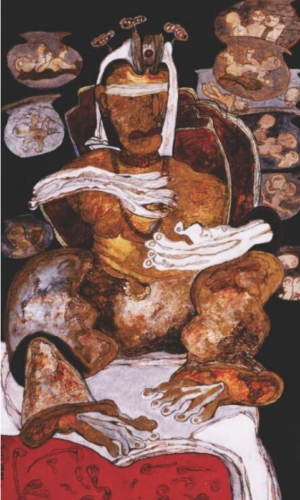
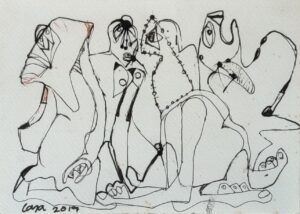
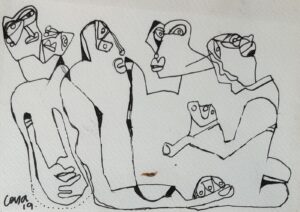
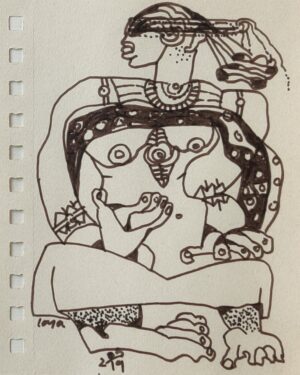
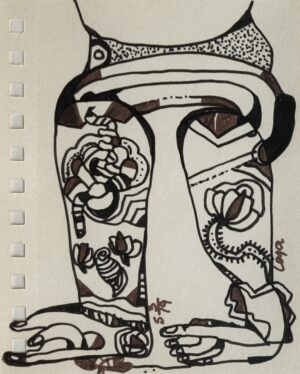
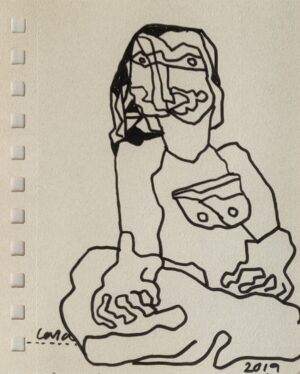
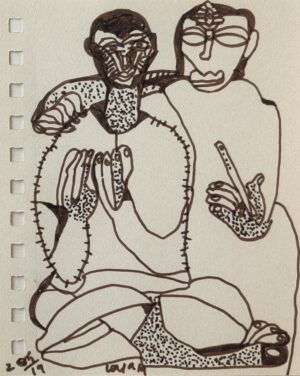
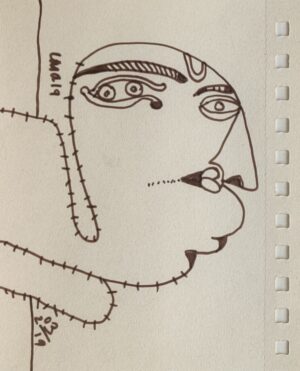
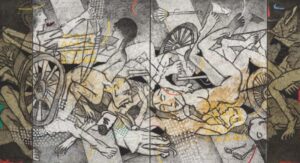
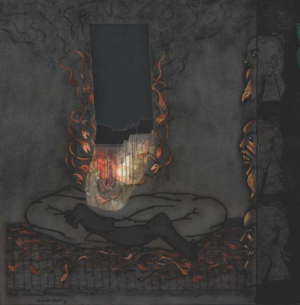
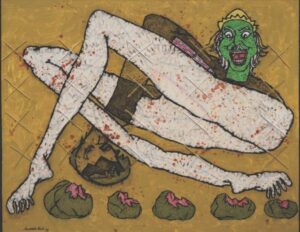
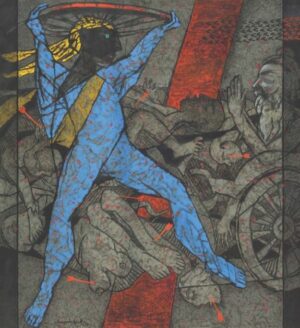
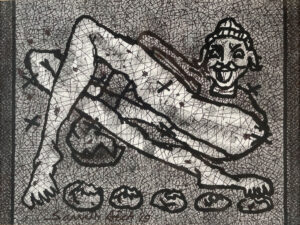
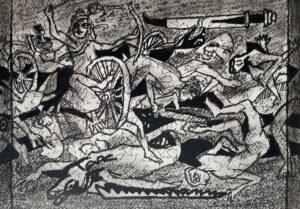
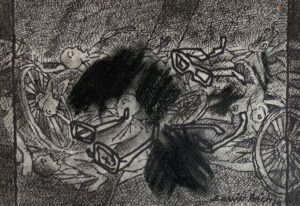
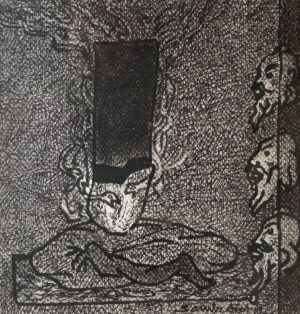
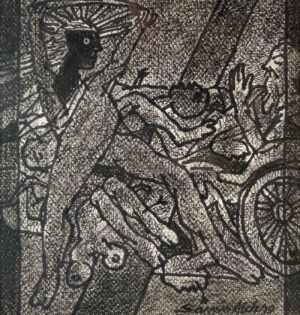
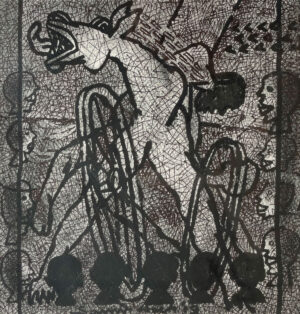
Modern stalwarts like MF Husain, Ganesh Pyne, Paritosh Sen and A. Ramachandran, among others, have left behind exemplary works, adding crisp dimension to the ancient text. The Mahabharat, in fact, stretches across too vast a canvas of Indian art to be boiled down to a few words. The driving challenge behind this show was to set aside this opulent history and focus on representing The Mahabharat vis-à-vis the current reality. After considerable deliberation, I invited Aditya Basak, Chandra Bhattacharjee, Jaya Ganguly and Samir Aich to be a part of this journey. I have gotten to know them well over the years. While being close friends, the four are different from one another in terms of artistic style and sensibility. Importantly, the idea behind the show caught their imagination almost instantly. It was a robust experience to brainstorm with them, both collectively and individually. While Jaya Ganguly built her paintings around her construal of incidents in the epic, Samir Aich saw himself as a strident warrior in Kurukshetra. For Aditya Basak, The Mahabharat was the world’s most egregious genocide.
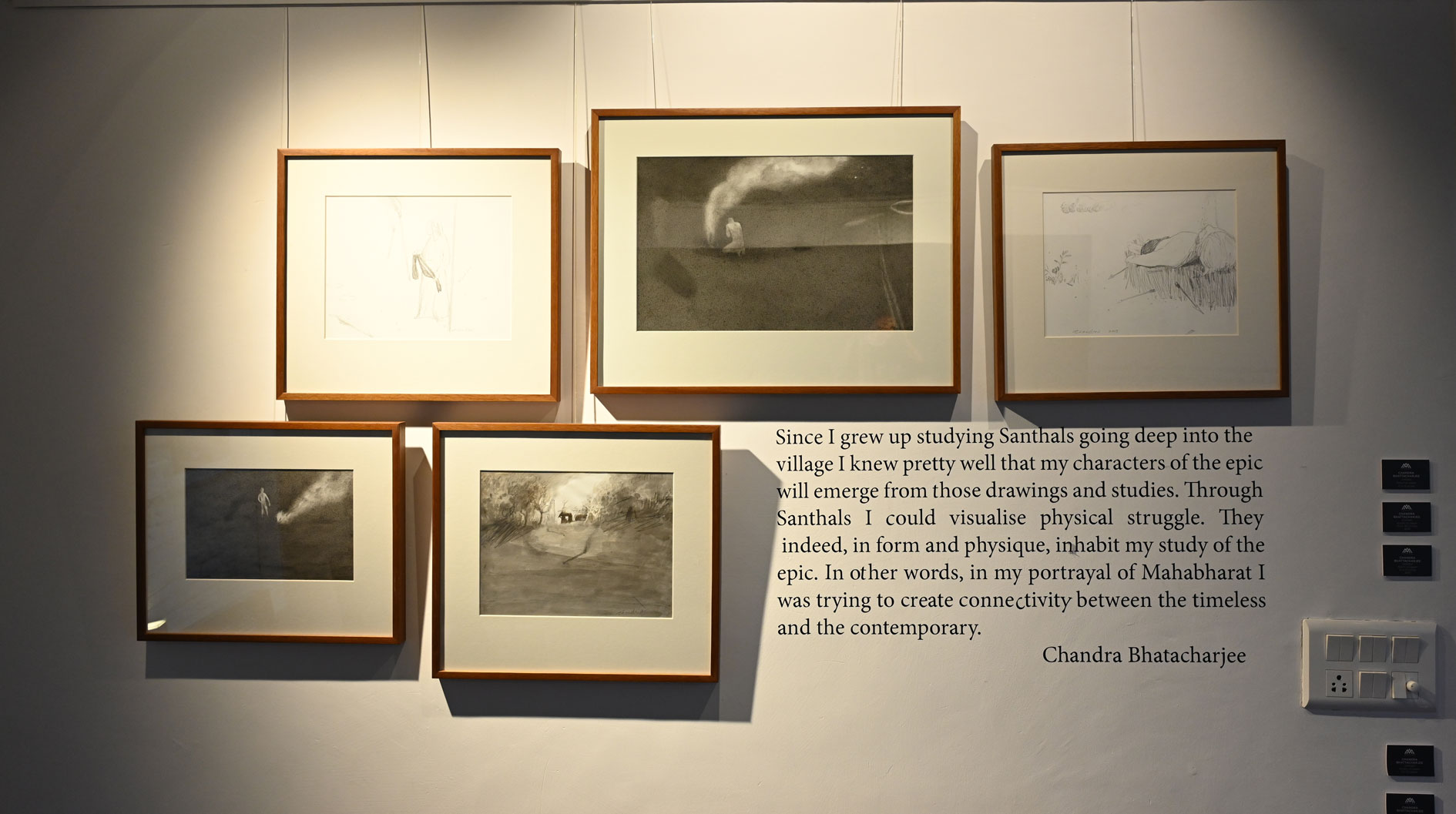
Chandra Bhattacharjee’s empathy was with the inevitable loneliness of the epic heroes. I realized that the idiom and style of each artist would play a critical role in the composition of this exhibition. Their perceptive response to our shifting universe is evident in their oeuvres.Their feeling essays on the human condition have, over the years, carved out elevated spaces. This show celebrates the singular style of each artist in interpreting an epic we all share. as Indians. These paintings are not straightforward narratives of events.
The artists freely explore the epic’s contemporary orientation without losing sight of its classic soul. While they are not illustrative, viewers may still find all 18 eighteen episodes of The Mahabharat condensed in each work. In a world where the lines between good and bad are obscure, these works highlight the natural human aspiration for justice. Dare I say, through this exhibition Vasa revisits his Mahabharat through the eyes of four sterling artists in the post-millennial context.