“I have seen a great deal of extraordinariness, but have never been extraordinary myself…” Reba Hore had once said to the late art writer and teacher, Aveek Sen. Perhaps it’s this extraordinary modesty that had robbed her of the ambition to achieve fame. Because Reba, remarkable as a person and an artist, did not get the recognition she deserved.
Here was a woman who hadn’t been to school as a child, but had read Milton and Shakespeare and was a topper girl in her Matriculation Exam. She hated Maths and yet graduated in Economics. She could have done her MA but chose to take up Art, instead. Already, the undergrad had become quite an activist by the age of 17, organising relief for starving villagers pouring into the city during the Famine of 1943. By the time she entered the Government College of Art, her perspective on politics and life had prepared her to become the ideal mate of the committed, barefoot Communist and visual chronicler of the Famine, Somnath Hore. The two had met as students of Art, come close as Communist activists and married in 1954.
But the creative imagination and stifling Party directives cannot co-exist for long. So the Hores moved away to concentrate on their art, even as their subaltern sympathies remained undiluted. It was these sympathyies that, shaking off manifesto stridency, had taken deep humanist roots in both artists, and expanded into a philosophic weltanschuung about suffering. While this was clearly articulated in Somnath, in Reba it was implicit, subtler.
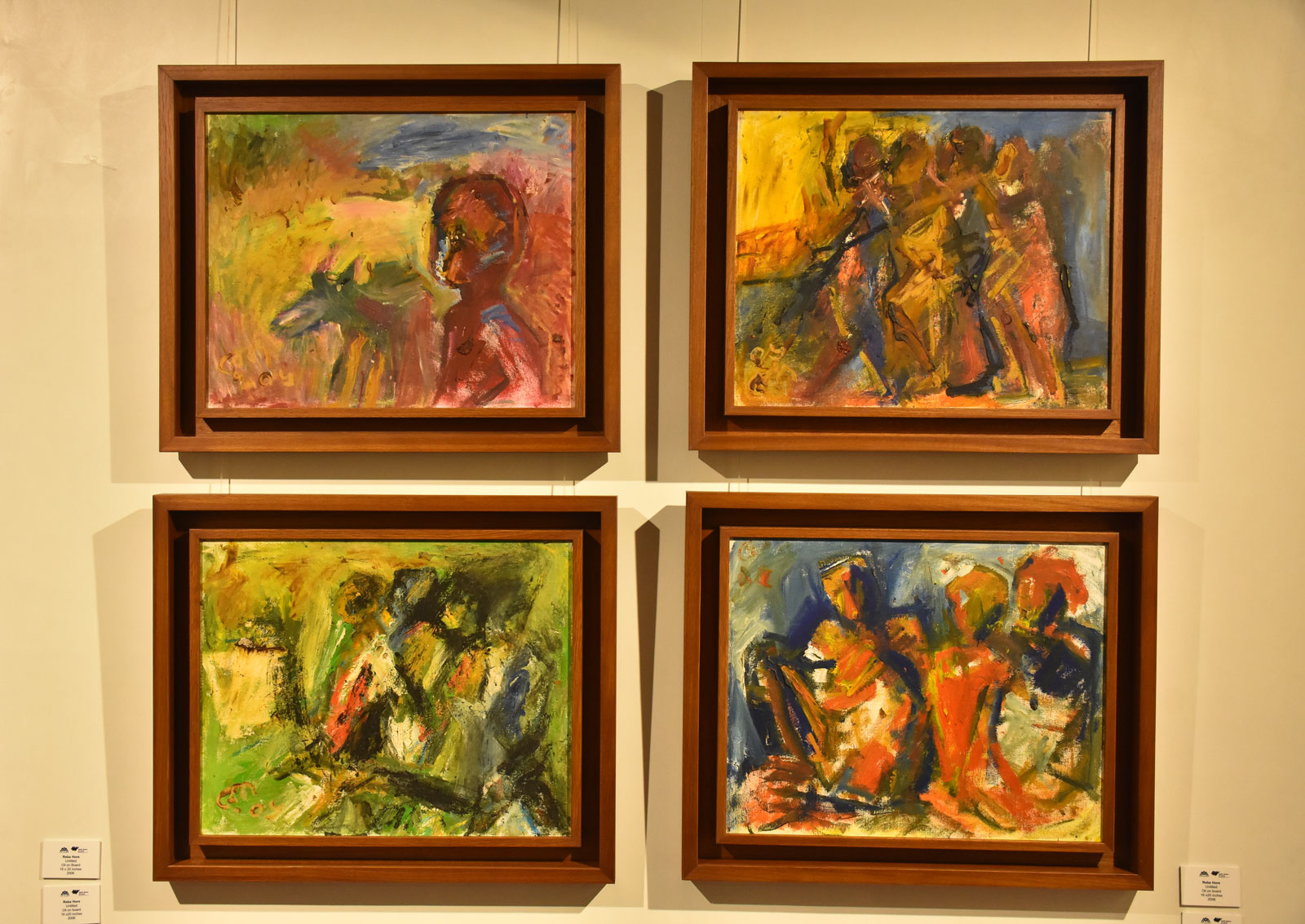
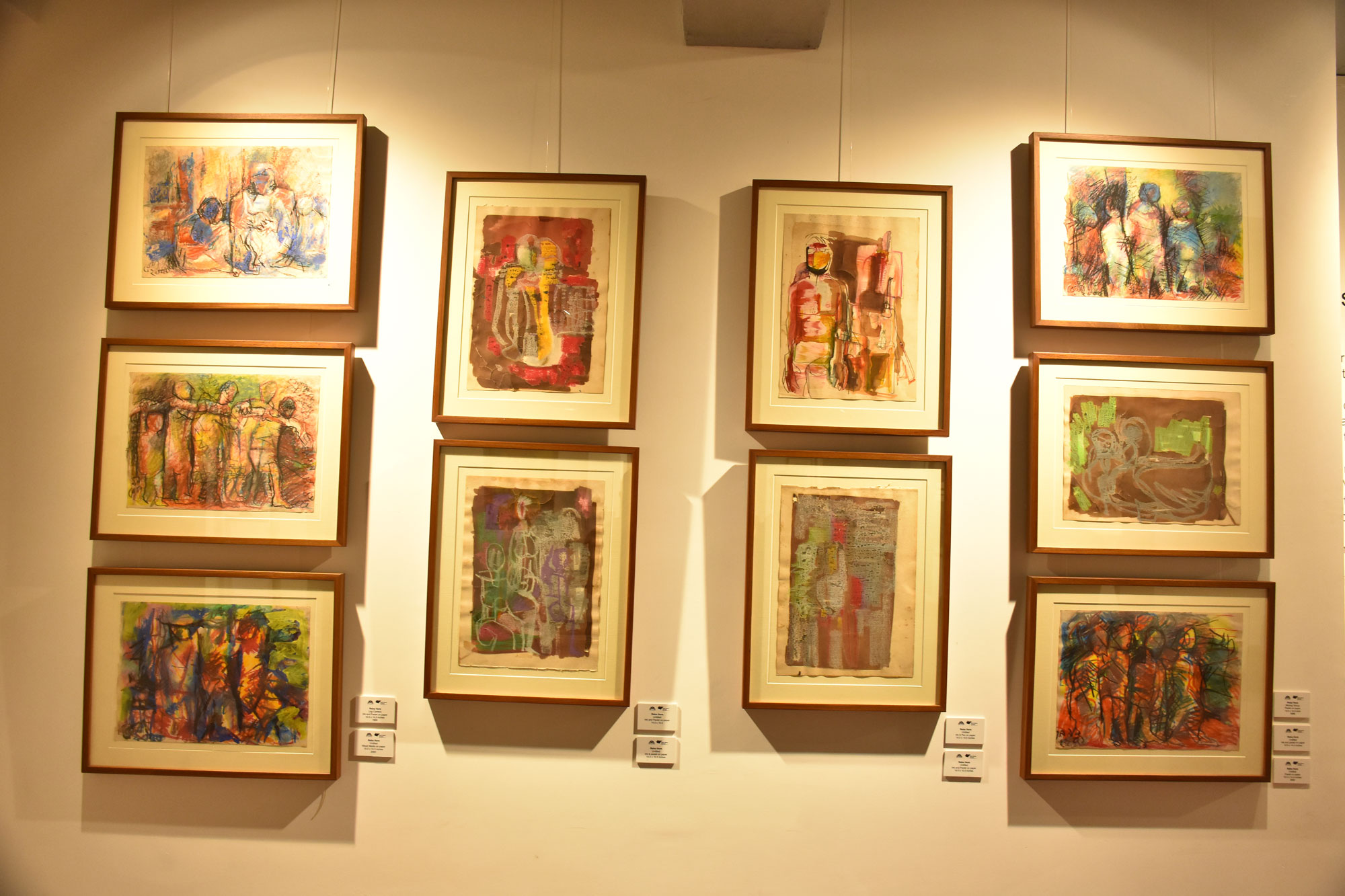
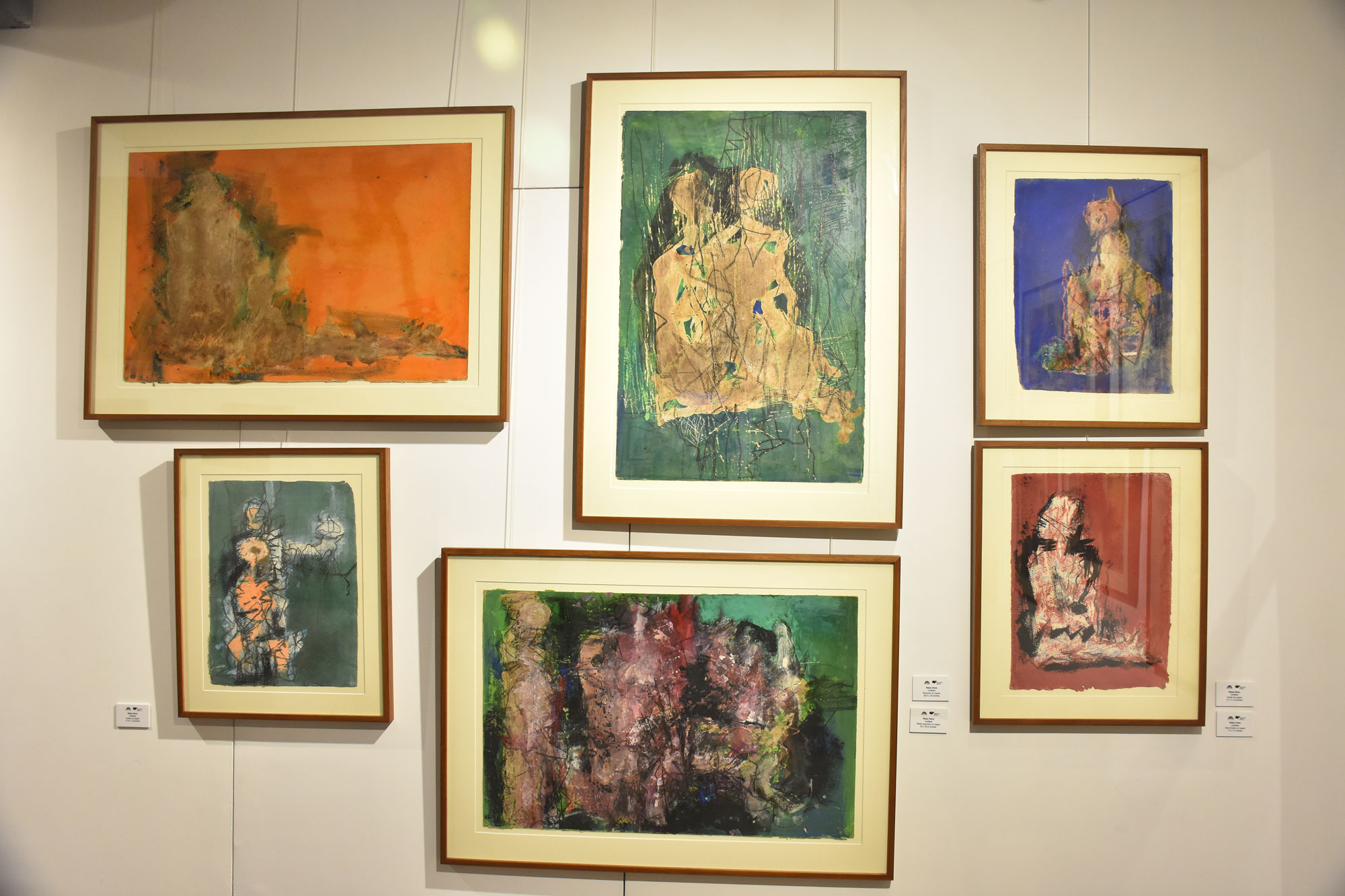
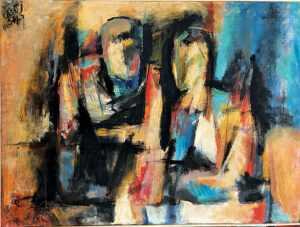
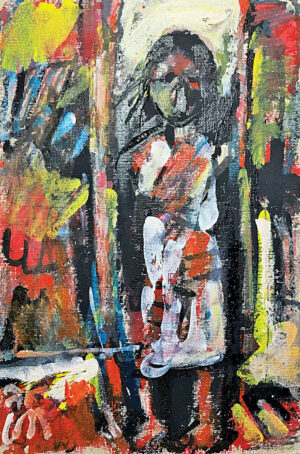
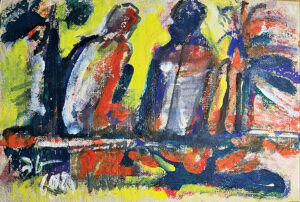
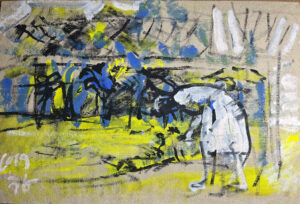
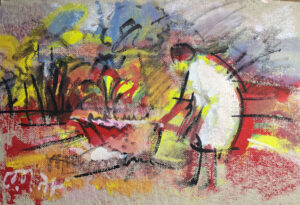
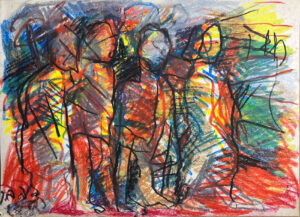
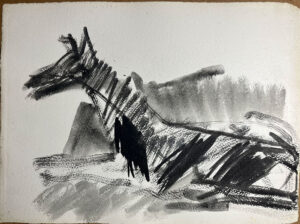
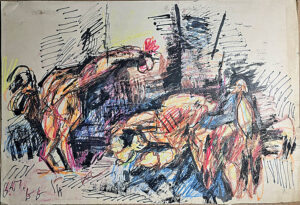
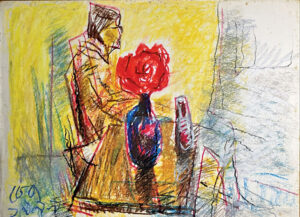
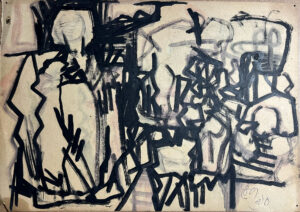
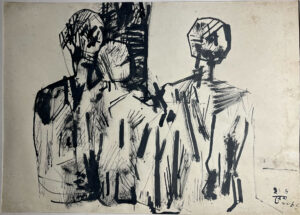
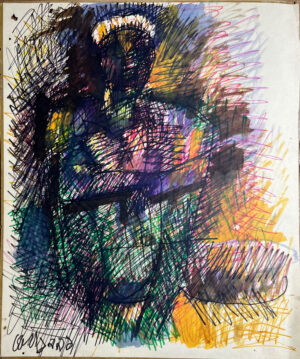
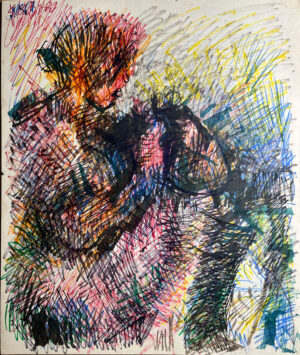
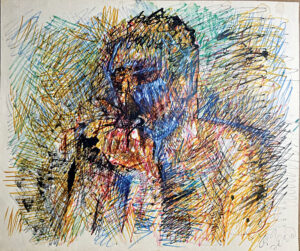
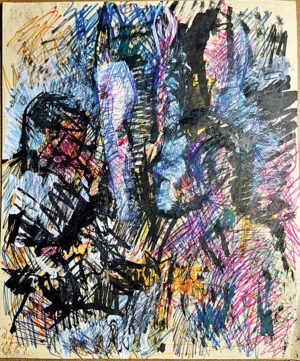
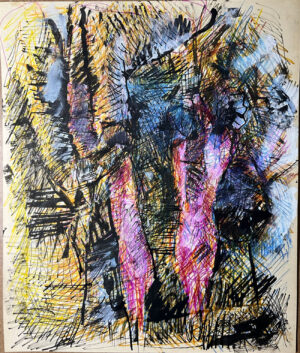
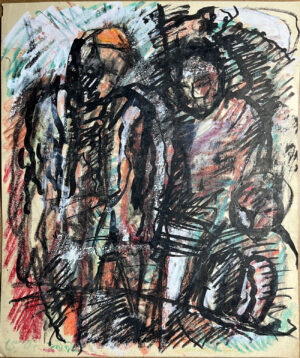
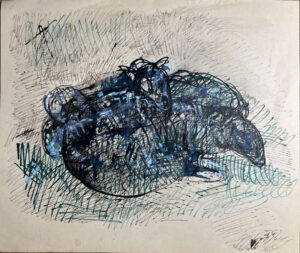
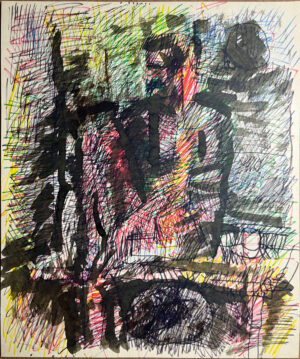
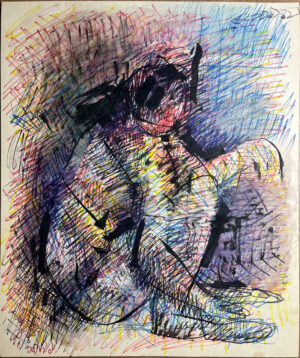
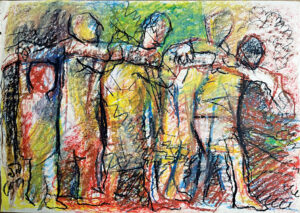
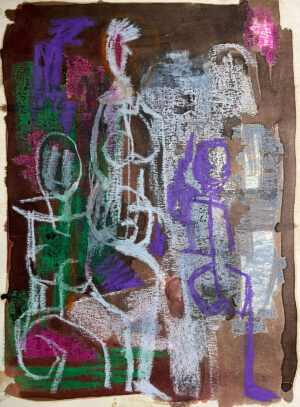
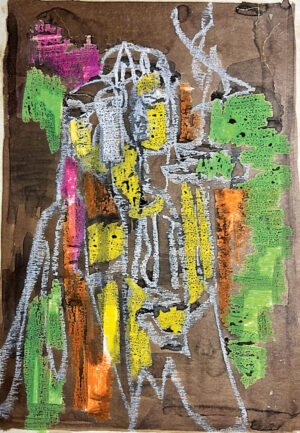
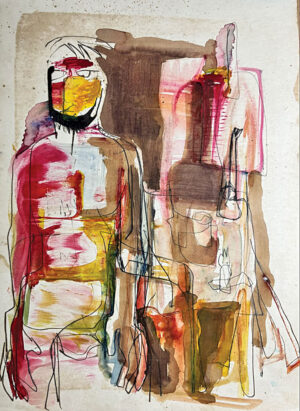
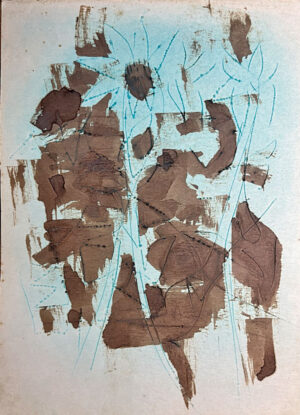
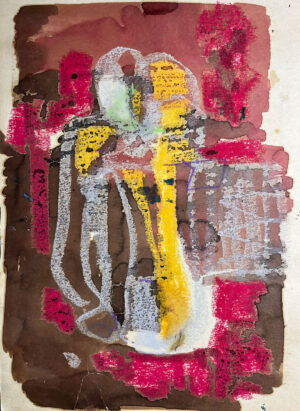
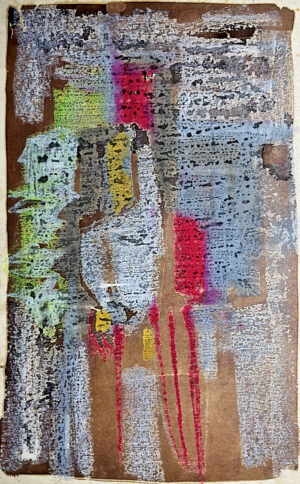
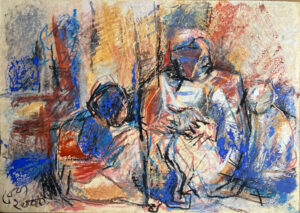
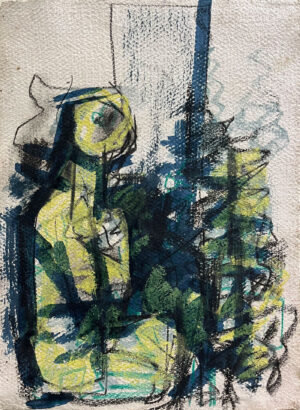
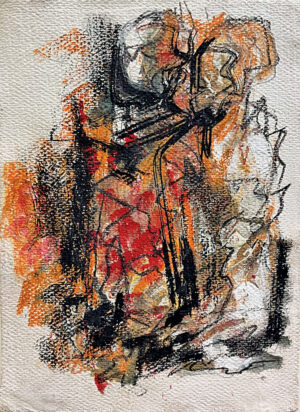
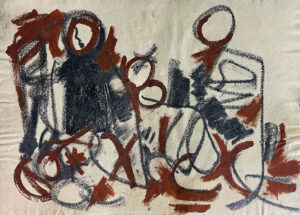
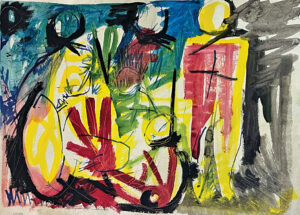
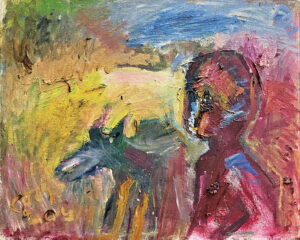
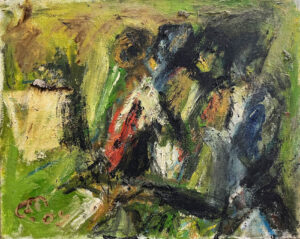
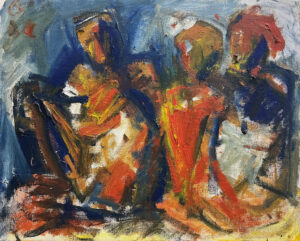
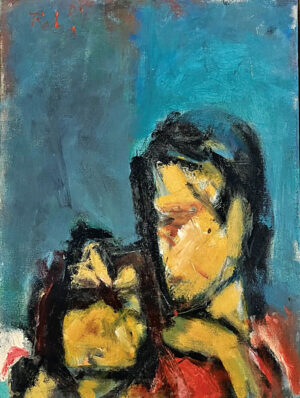
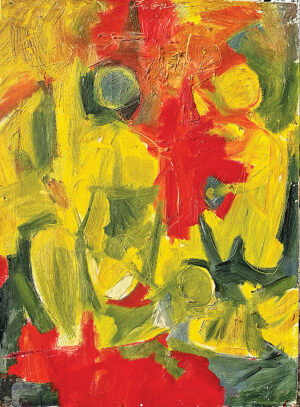
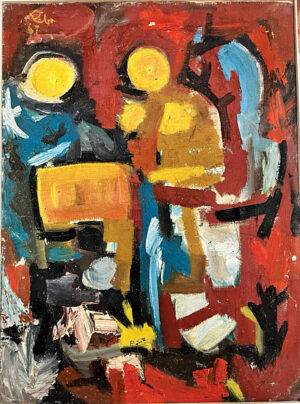
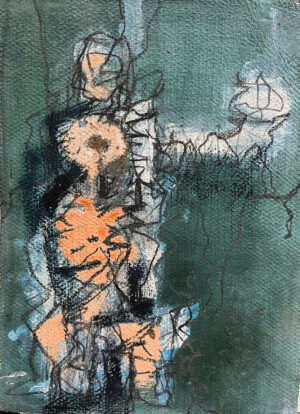
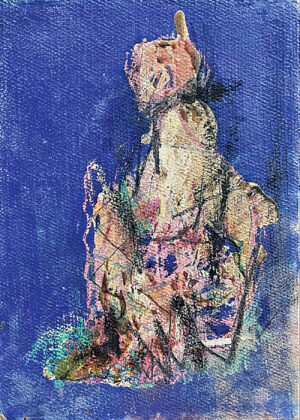
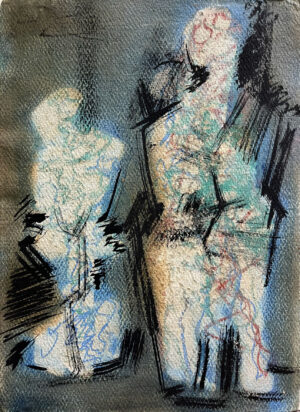
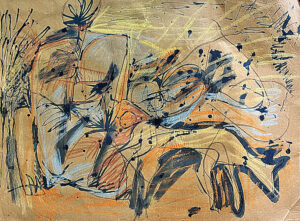
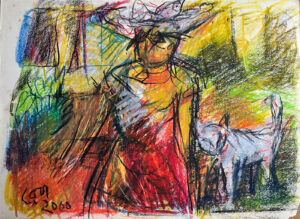
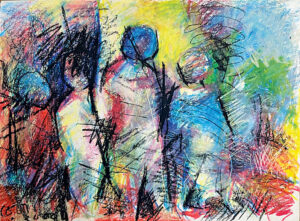
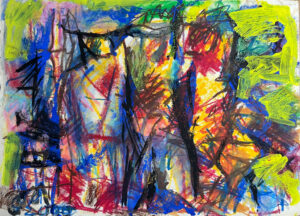
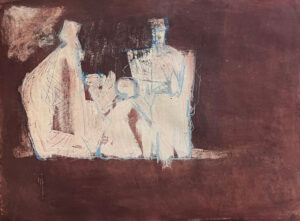
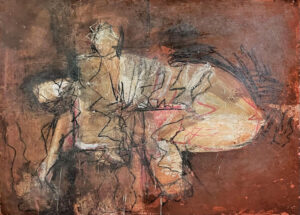
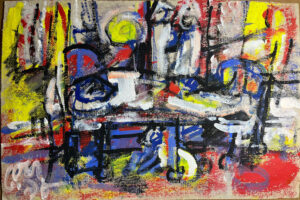
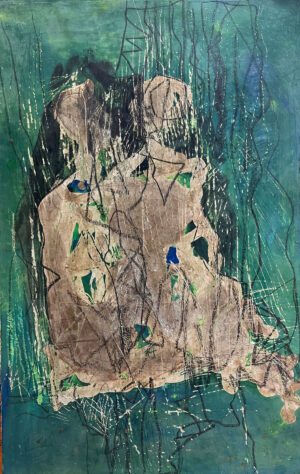
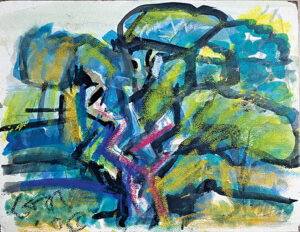
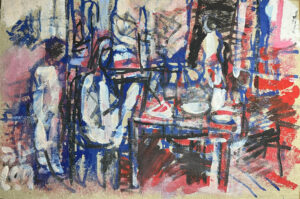
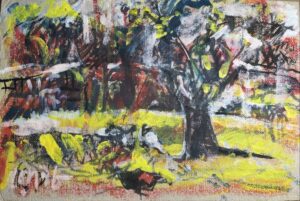
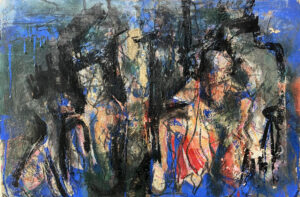
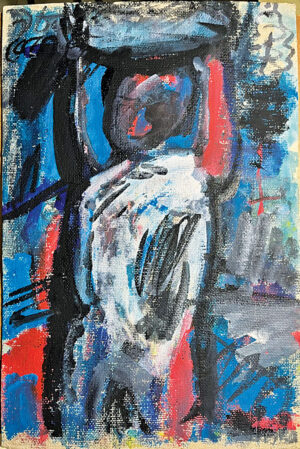
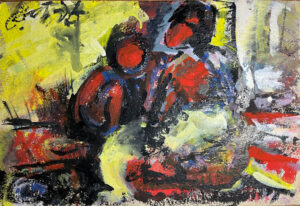
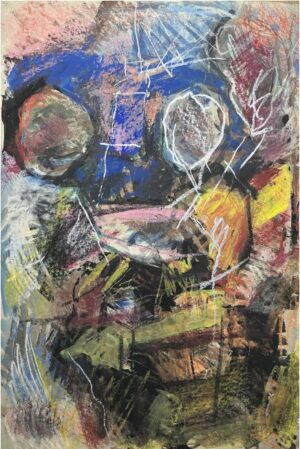
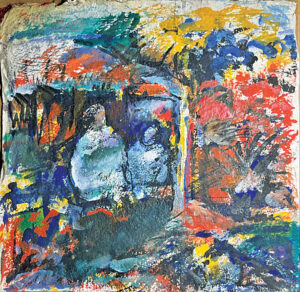
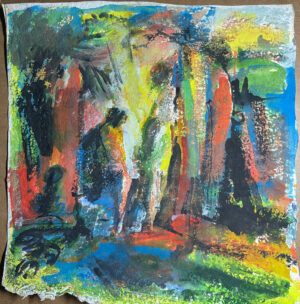
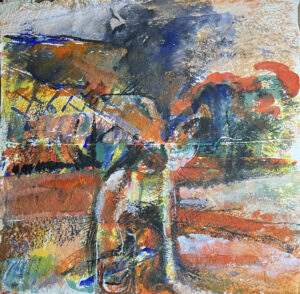
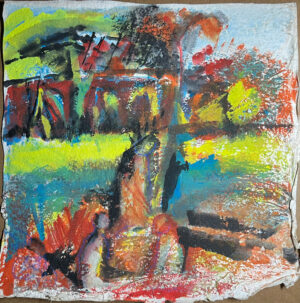
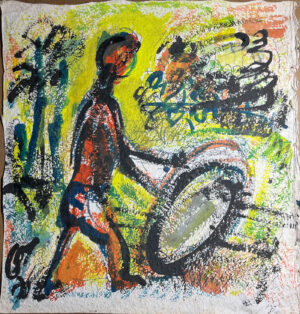
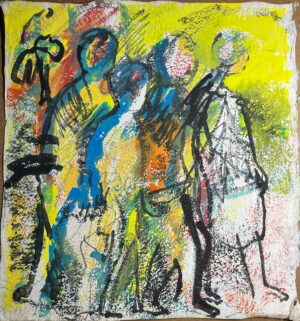
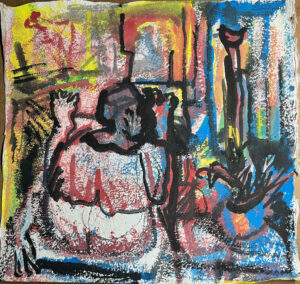
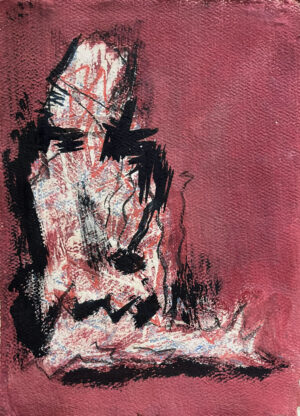
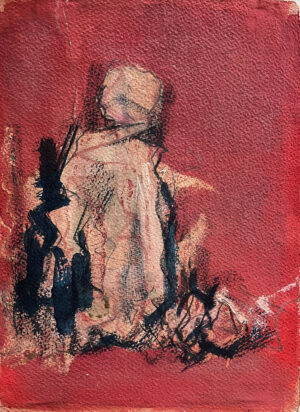
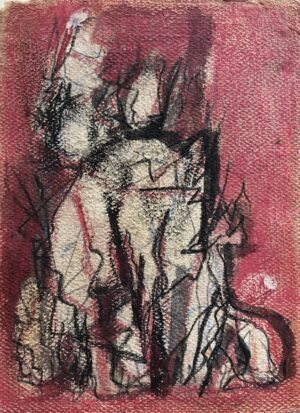
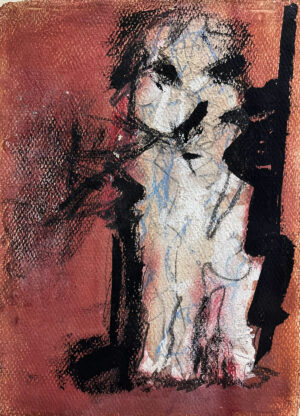
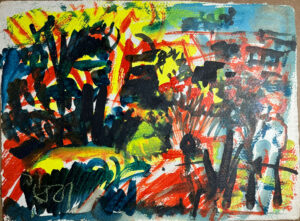
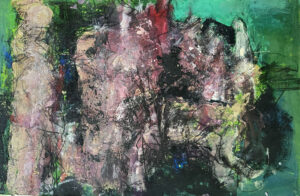
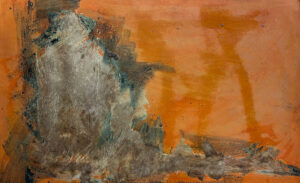
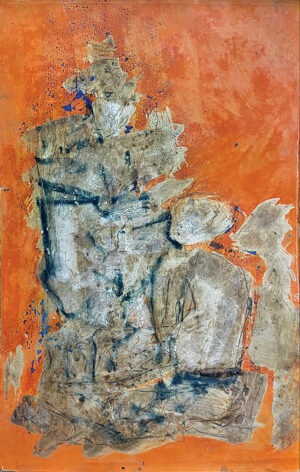
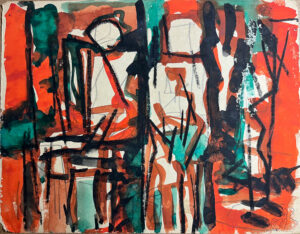
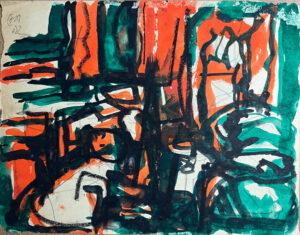
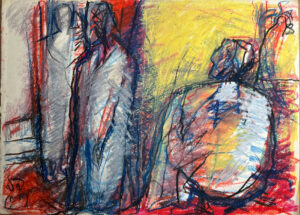
The fact to note is this: despite her close proximity to Somnath and his very distinctive metier, she carved for herself quite an individual idiom. Loosely speaking, this idiom could be described as Expressionist but her unbridled lines and strokes don’t echo masters like van Gogh, Nolde or Kandinsky. In an early oil, Woman and Flower (1959), her palette had already become dark and brooding. In works like Wait for Your Turn, Children (both 1994) and Habitat (signed 1995), inchoate, anonymous figures seem to be lashed by a blitzkrieg of swift, volatile lines that trap them in a space that’s as tensely claustrophobic as their mute stoicism. In Moving Group (date not given) on the other hand, scribbly lines are few but the strokes welter around them punishingly. Elsewhere, the paint is thick and creased, dense with emotion, like in Couple and Mourning Group (dates not given)
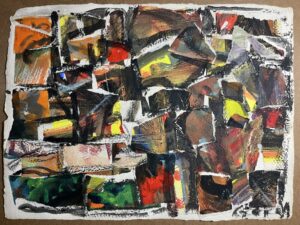
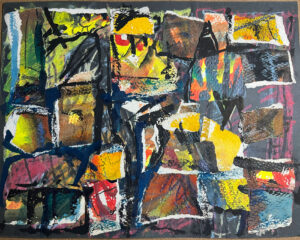
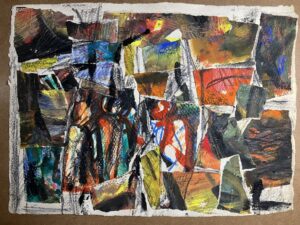
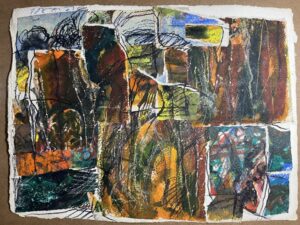
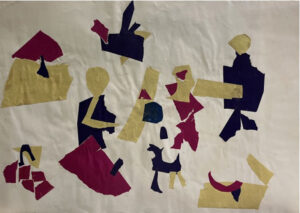
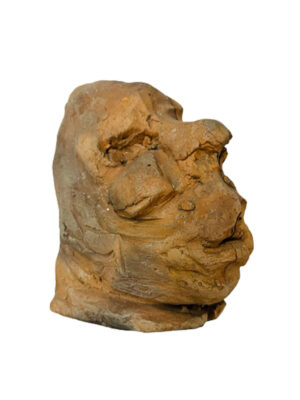
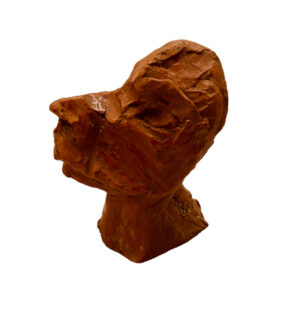
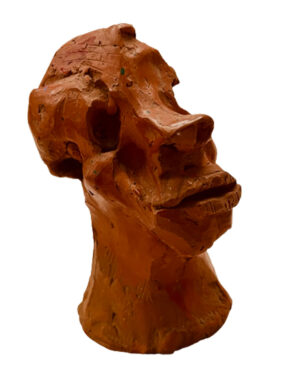
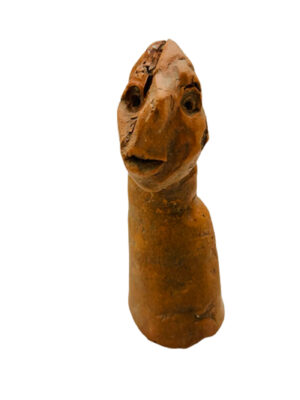
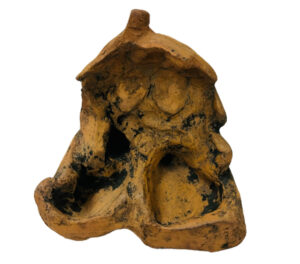
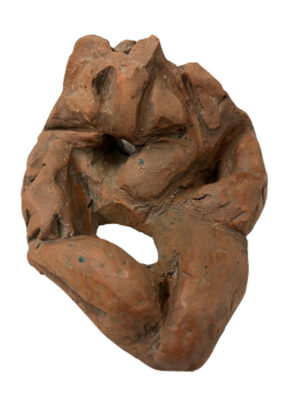
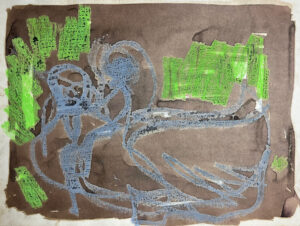
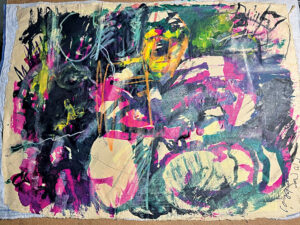
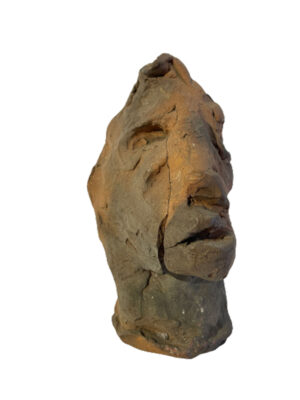
What’s important about the present show is its range. It gives viewers an idea of Reba Hore’s fluency in different media: brush and ink, ink and wash, pastel, collage and so forth. The collages will be of special interest for they may not have been seen before. A semi-abstraction, with little pieces of coloured paper, evokes a light-hearted tableau of spry shapes. She also detours into what appears, across cyber space, to be abstract arrangements with bits of painted paper. The combative jostle of jagged paper tiles and textured tones seethes with an energy that threatens imminent eruptions. Wife and mother, artist and activist, Reba Hore’s oeuvre hints at a wealth of experiences, distilled by a thinking mind and a delicate sensibility into her art and her poems—in Bengali but some in English also—that reflect a spectrum of emotions and thoughts. It may be apt to end with one of her poems that gives a glimpse of her sensitive understanding of life’s fragility and the human predicament.