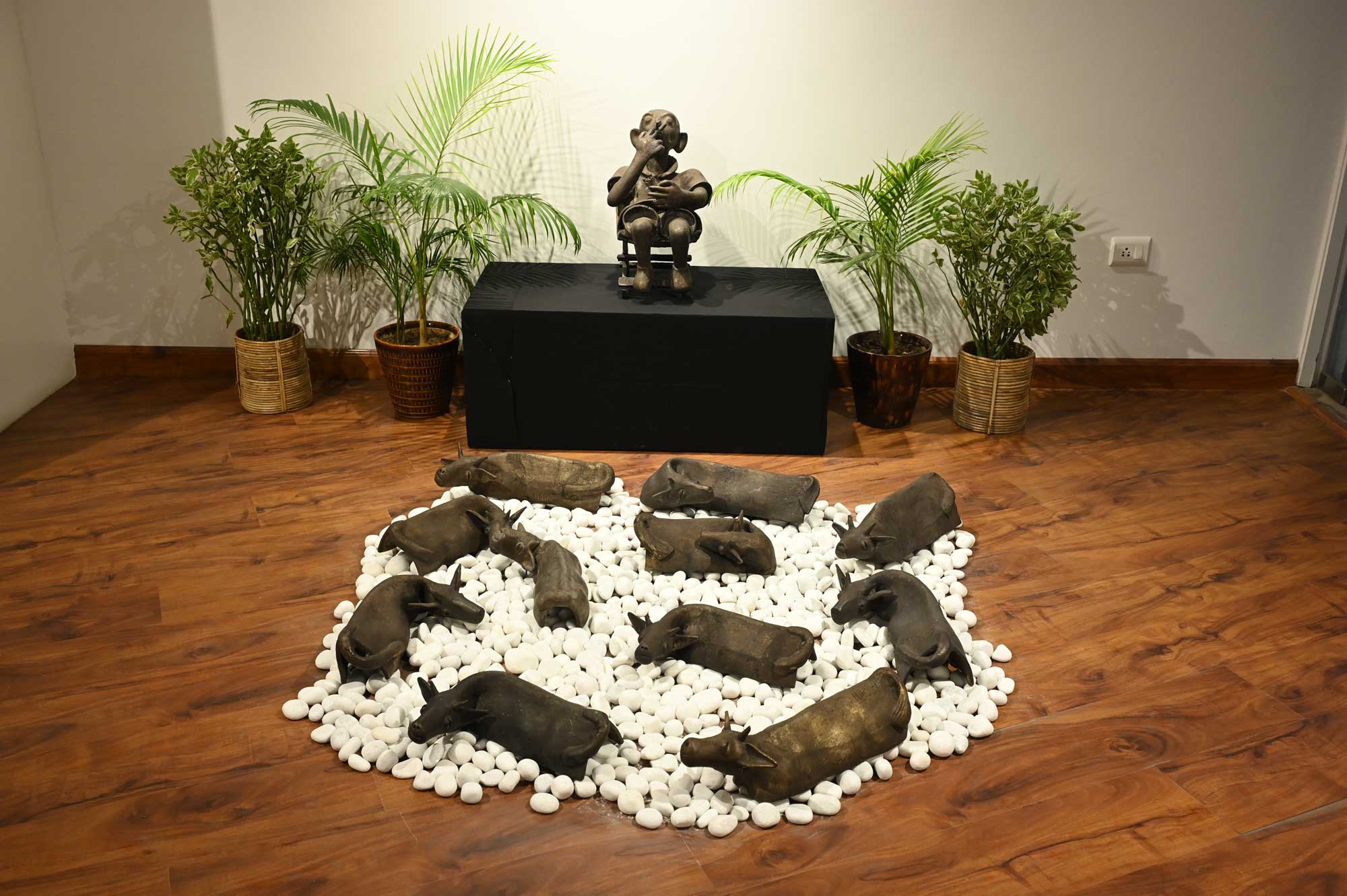
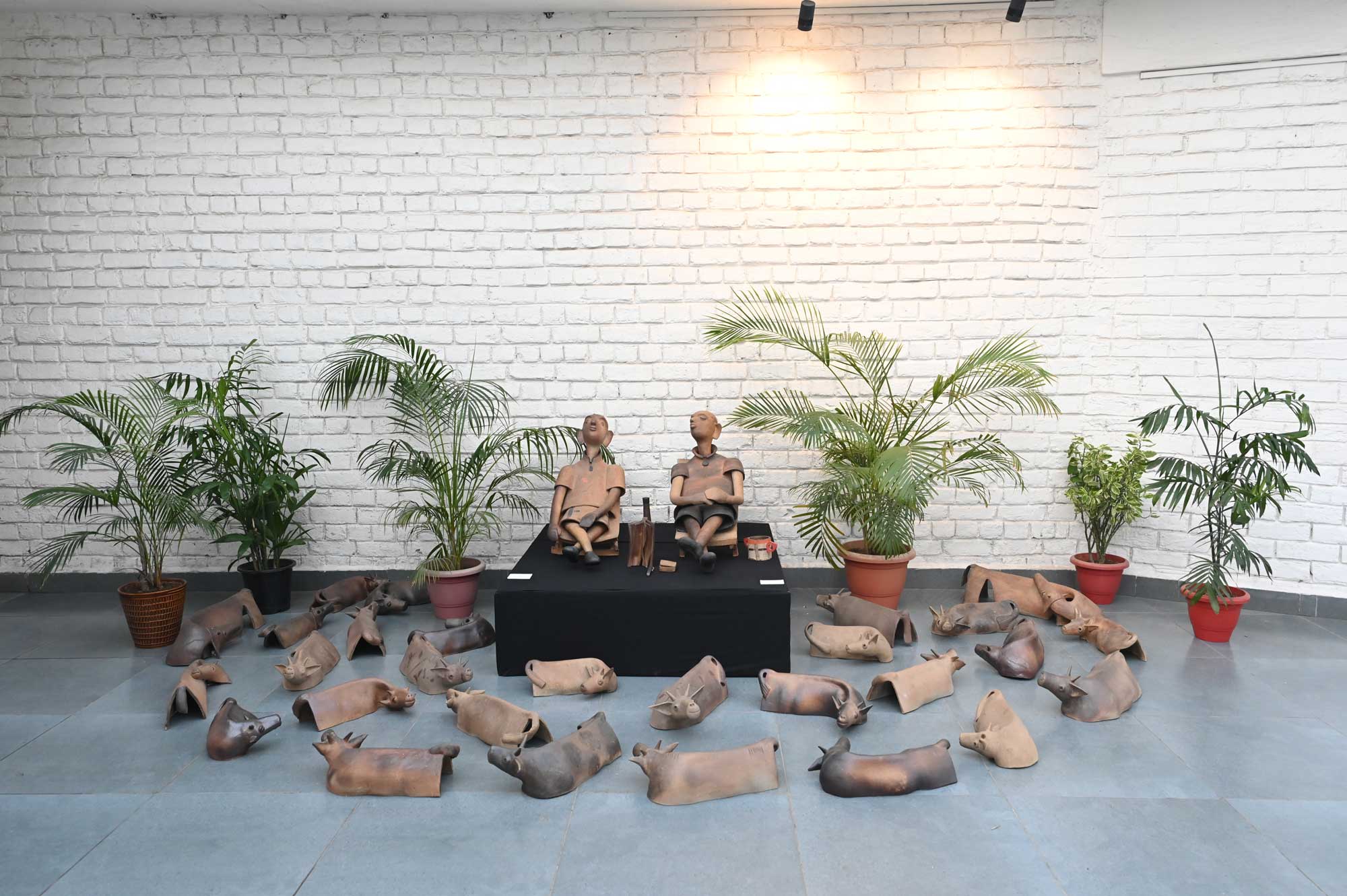
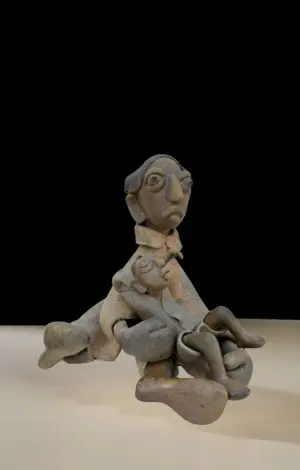
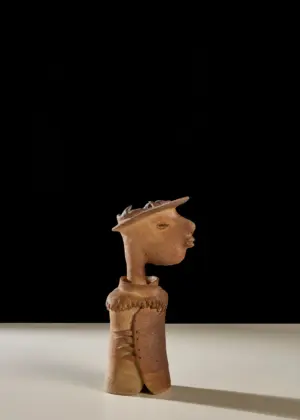
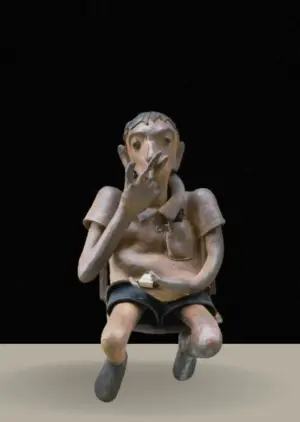
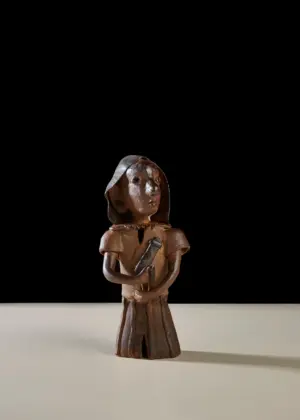
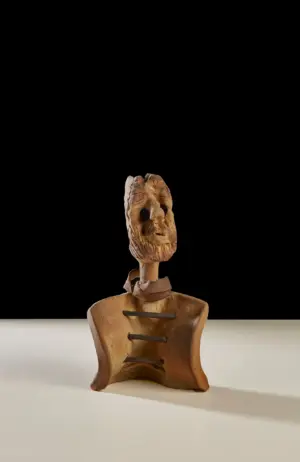
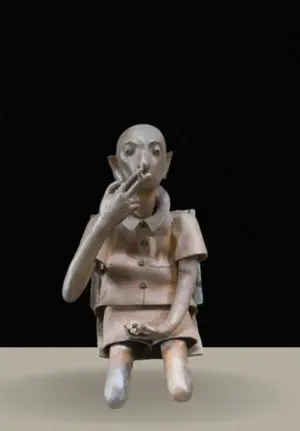
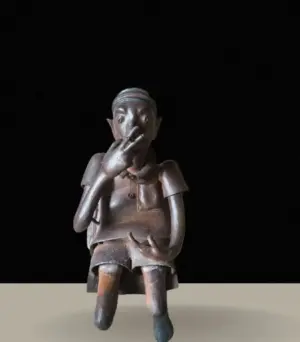
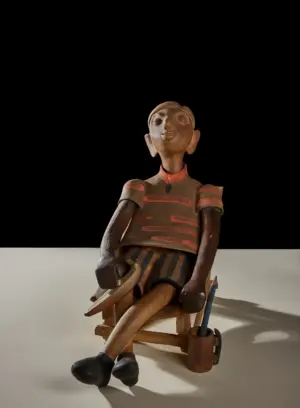
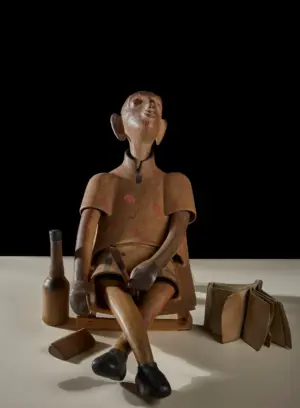
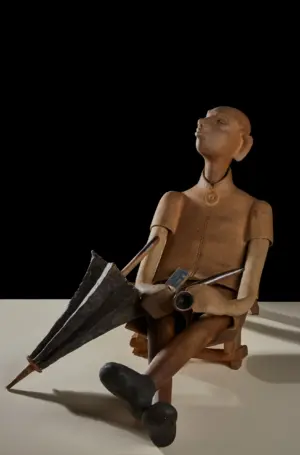
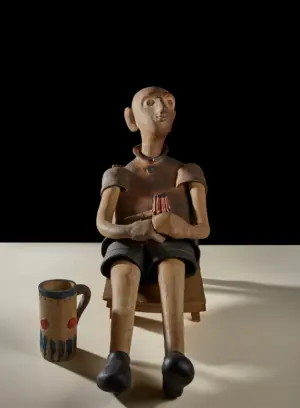
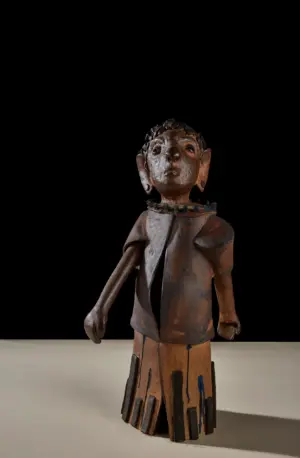
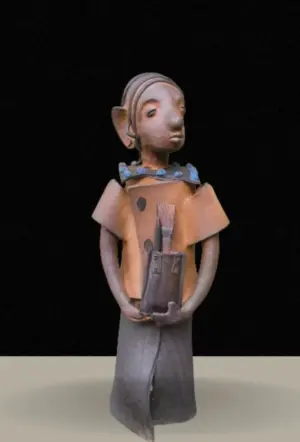
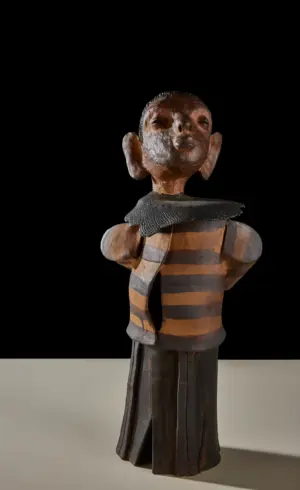
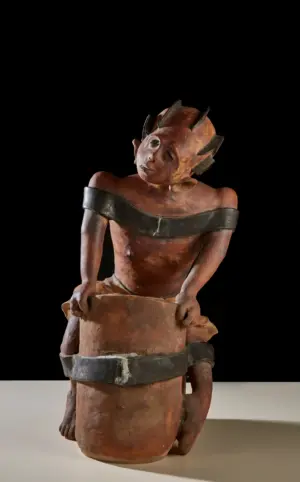
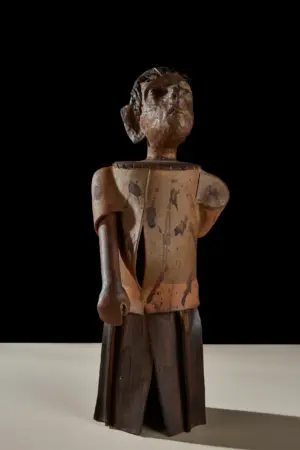
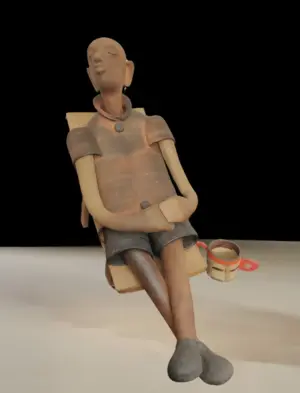
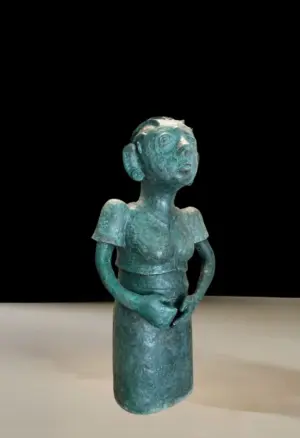
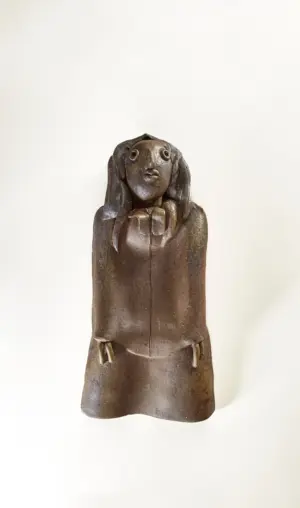
Born in 1959 in Kilimanoor, Kerala, Reghu grew up deeply rooted in the cultural and rural traditions of his region. He pursued his formal education in sculpture at the College of Fine Arts, Thiruvananthapuram, where his initial work focused on stone as a medium. However, his artistic direction shifted significantly after interacting with architects Elizabeth and Laurie Baker, whose Gandhian philosophy left a lasting impression on him. Inspired by their emphasis on using Indigenous materials, Reghu rejected expensive mediums like marble and bronze in favour of humble terracotta.
Another pivotal influence on Reghu’s journey was the artist and thinker J. Swaminathan. During his final year of studies, Reghu participated in an All-India Students’ Camp organized by the Roopankar Museum of Fine Arts at Bharat Bhavan, Bhopal. Swaminathan, then the museum’s director, recognized Reghu’s talent and awarded him a two-year scholarship to work at Bharat Bhavan.
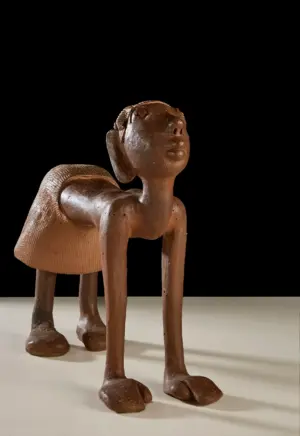
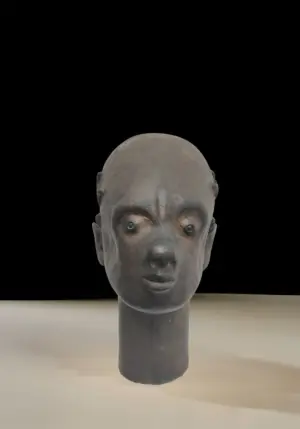
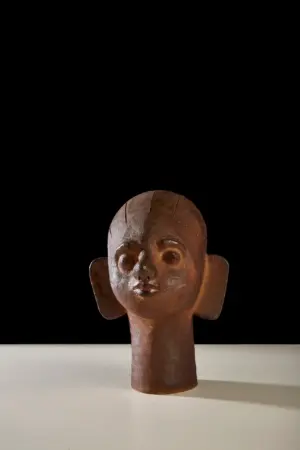
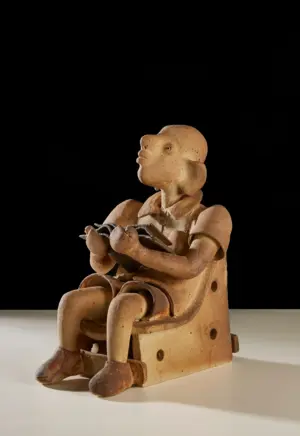
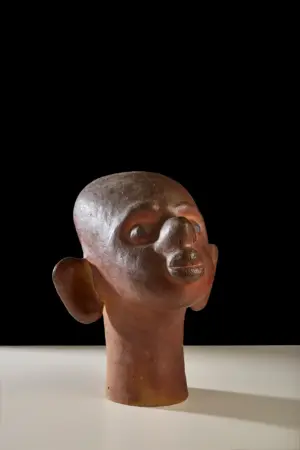
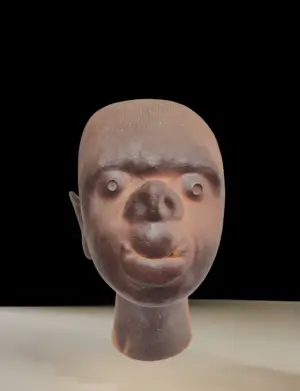
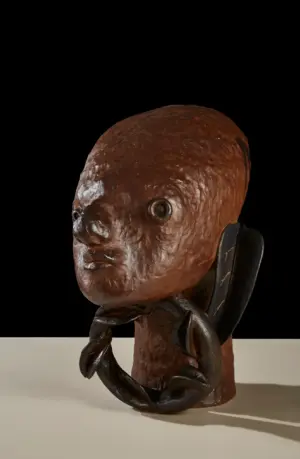
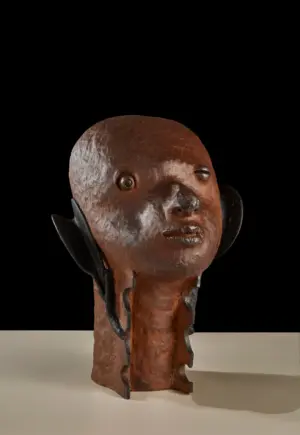
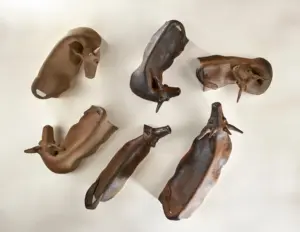
Reghu eventually remained at Bharat Bhavan for 15 years, during which he transitioned from traditional stonework to ceramics and terracotta art. While Reghu began his artistic career as a potter, he gradually abandoned conventional pottery to explore ceramic sculpture. This transformation marked a fluid progression in his art, where the rounded curves of pots evolved into the contours of human heads. By blending utilitarian forms with the spirit of living figures, Reghu infused his works with a profound intimacy and emotional resonance. His technique, rooted in the tactile processes of clay modelling and potter’s wheelwork, reflected his deep connection to rural life.
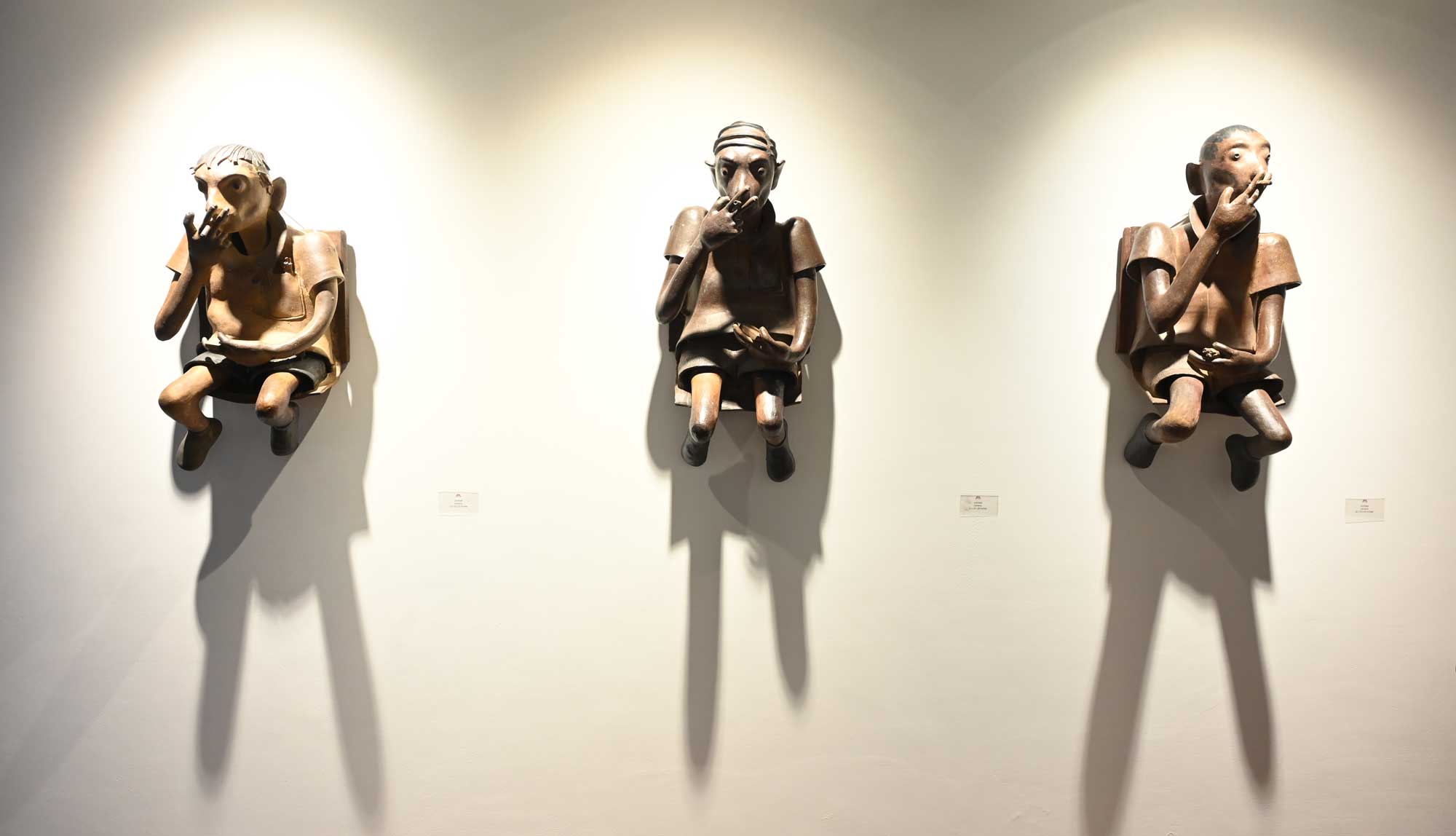
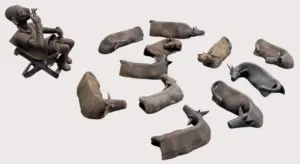
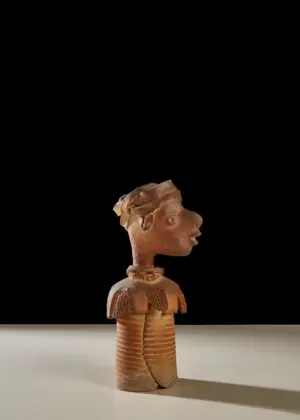
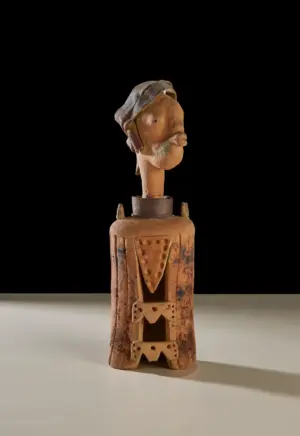
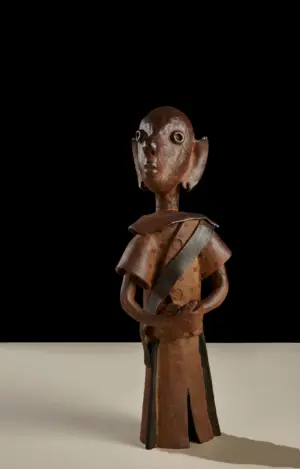
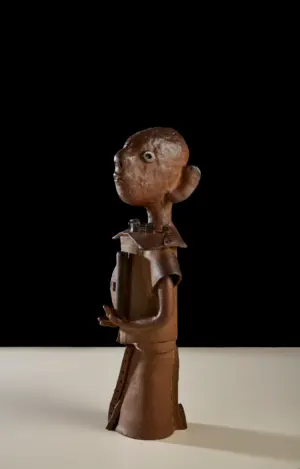
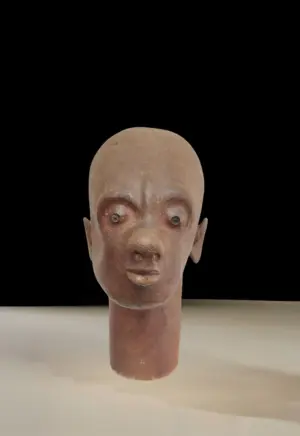
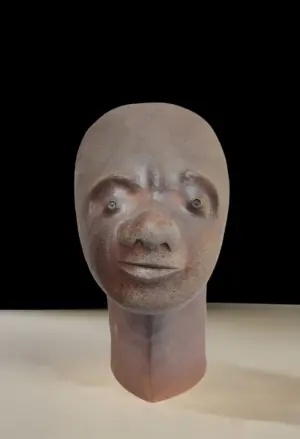
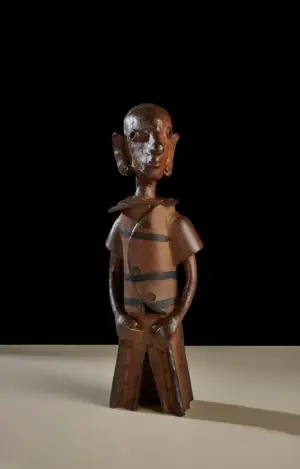
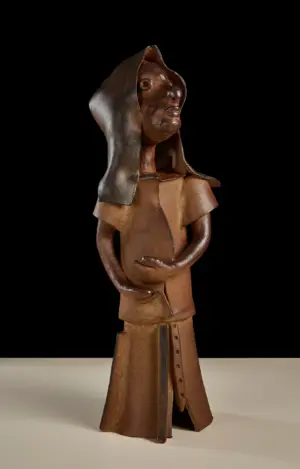
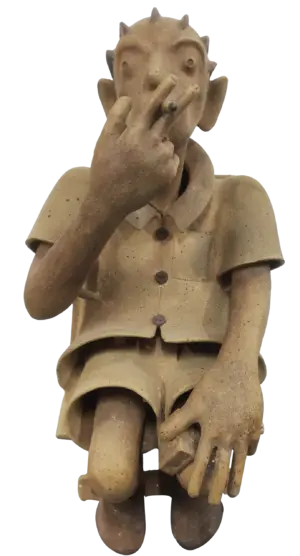
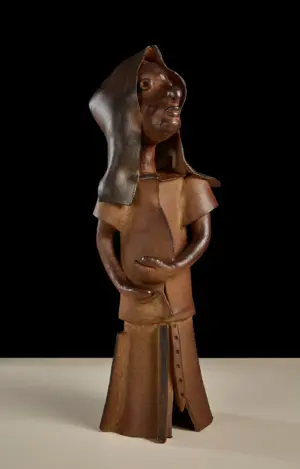
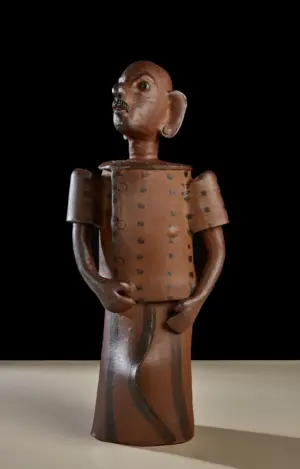
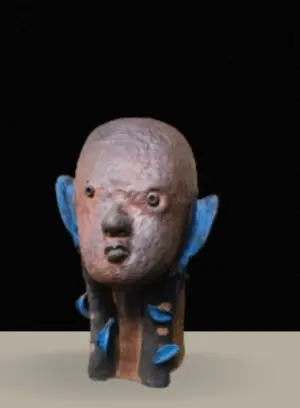
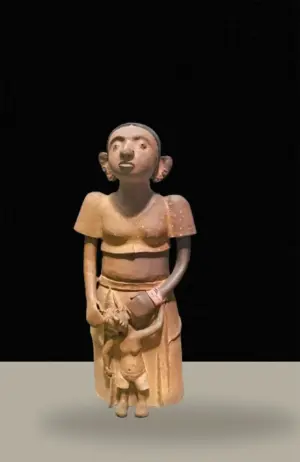
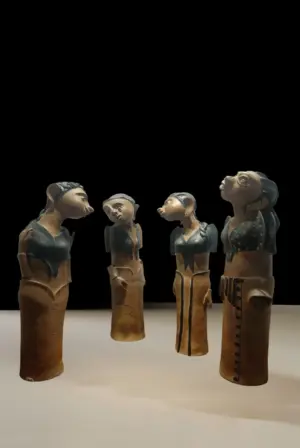
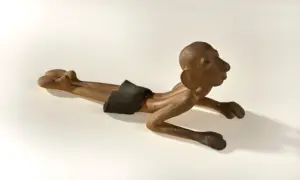
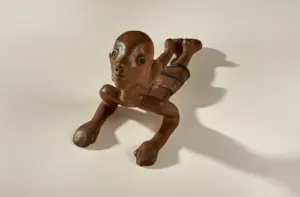
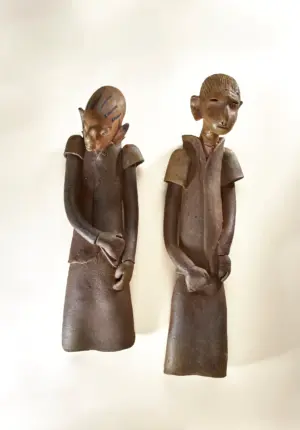
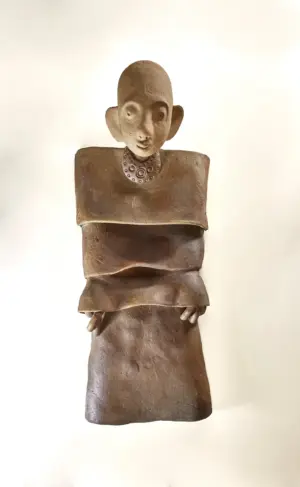
He employs methods such as hollow modelling, slabbing, folding, coiling, and pinching, Reghu developed a unique aesthetic that merged Dravidian and African facial features— bulging eyes, thick lips, and broad ears. Since 1988, Reghu has held numerous solo exhibitions and participated in various group shows. He is the recipient of several accolades, including the Award of the Fourth Contemporary Indian Art Biennale at Bharat Bhavan in 1987 and 1988. Reghu’s journey, from his beginnings in pottery to his exploration of the human form through terracotta and ceramic sculpture, continues to celebrate the beauty of indigenous materials, rural traditions, and the timeless spirit of human creativity.
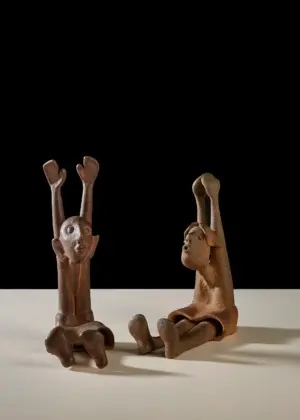
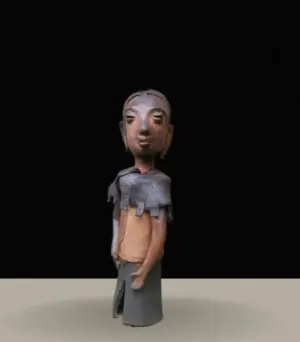
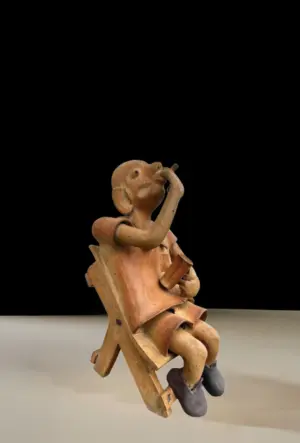
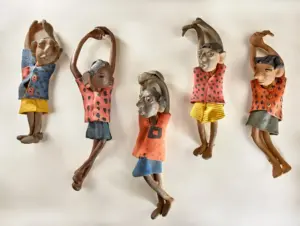
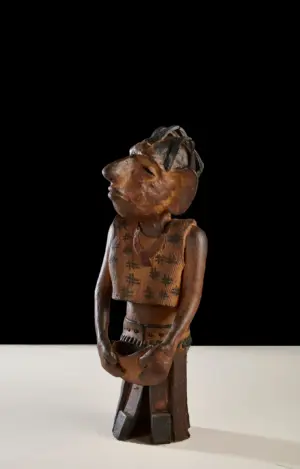
His works possess a true visibility that showcases the pure emotions inherent in human life. The characteristics and social distinctions in his art are particularly prominent. The vibrant colours in his ceramic forms evoke the essence of Ancient Tribal art and can be traced back to the Indus Valley and Harappan Civilizations. This alignment with ancestral roots is evident in his creations. Another significant aspect of his work conveys a sense of social satire. By keenly observing his art, one can recognize the meanings that the artist aims to resonate with the world. The human-like forms are so realistic that they can be easily identified in our everyday lives.
As time has passed, Reghu has evolved, and so has his art. The confidence he embodies in his works is truly awe-inspiring. It resembles the playing of an instrument, exuding artistic joy and allure. The journey of the clay, from when it is moulded into shape to the ultimate firing in the kiln, parallels the act of creating new life. Each firing of the kiln symbolizes the birth of a new form of ceramic art.